
Milestones
The early years of Scenario Management
1993
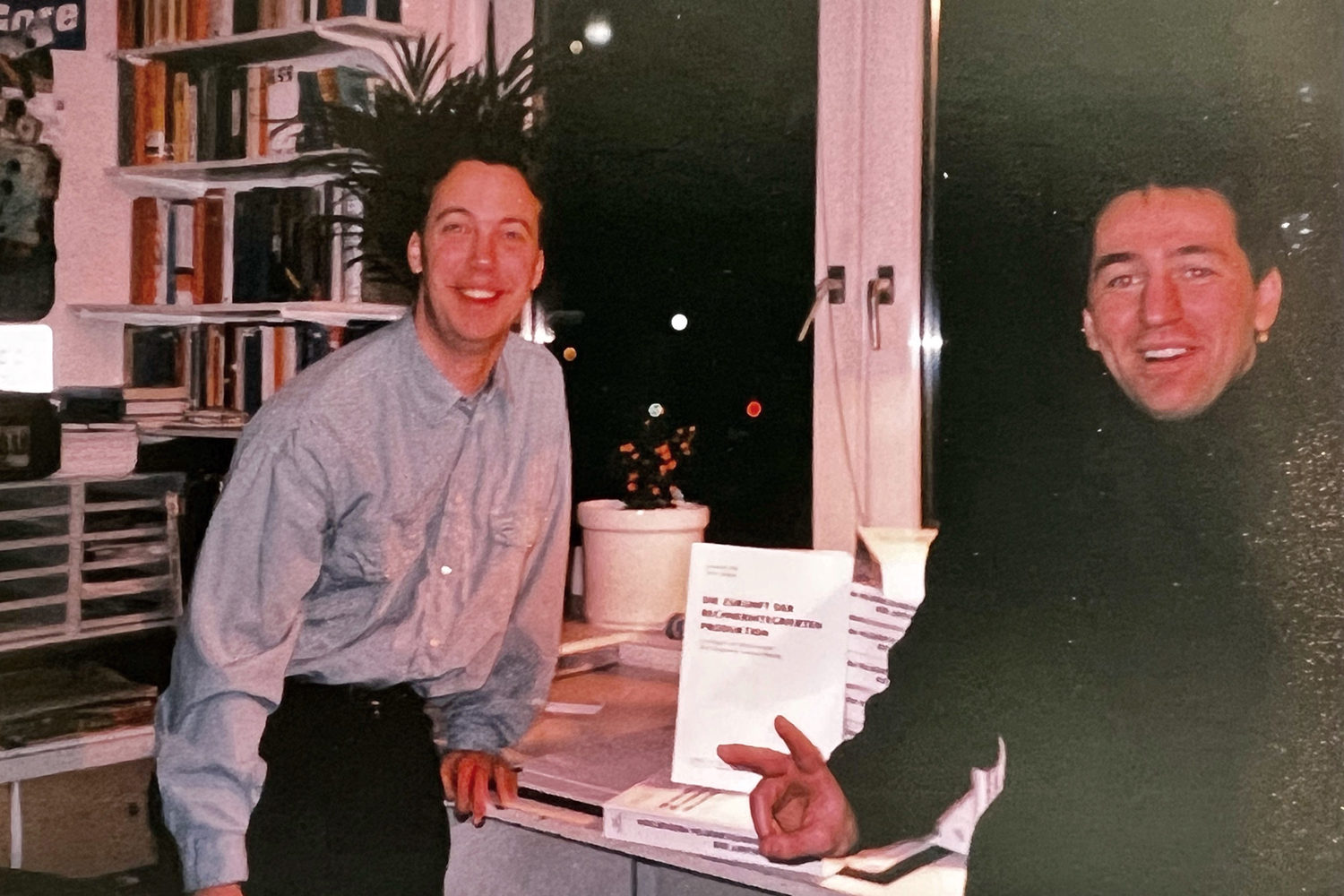
1993: A thesis lays the foundations for Scenario Management: In their thesis "Die Zukunft der Rechnerintegrierten Produktion - Grundlagen und Möglichkeiten einer integrierten Szenario-Technik" (roughly: "The Future of Computer-Integrated Production: Foundations and Potential of an Integrated Scenario Methodology"), Alexander Fink and Oliver Schlake set out the core ideas that would become Scenario Management. They also developed an early software tool for calculating scenarios.
1995
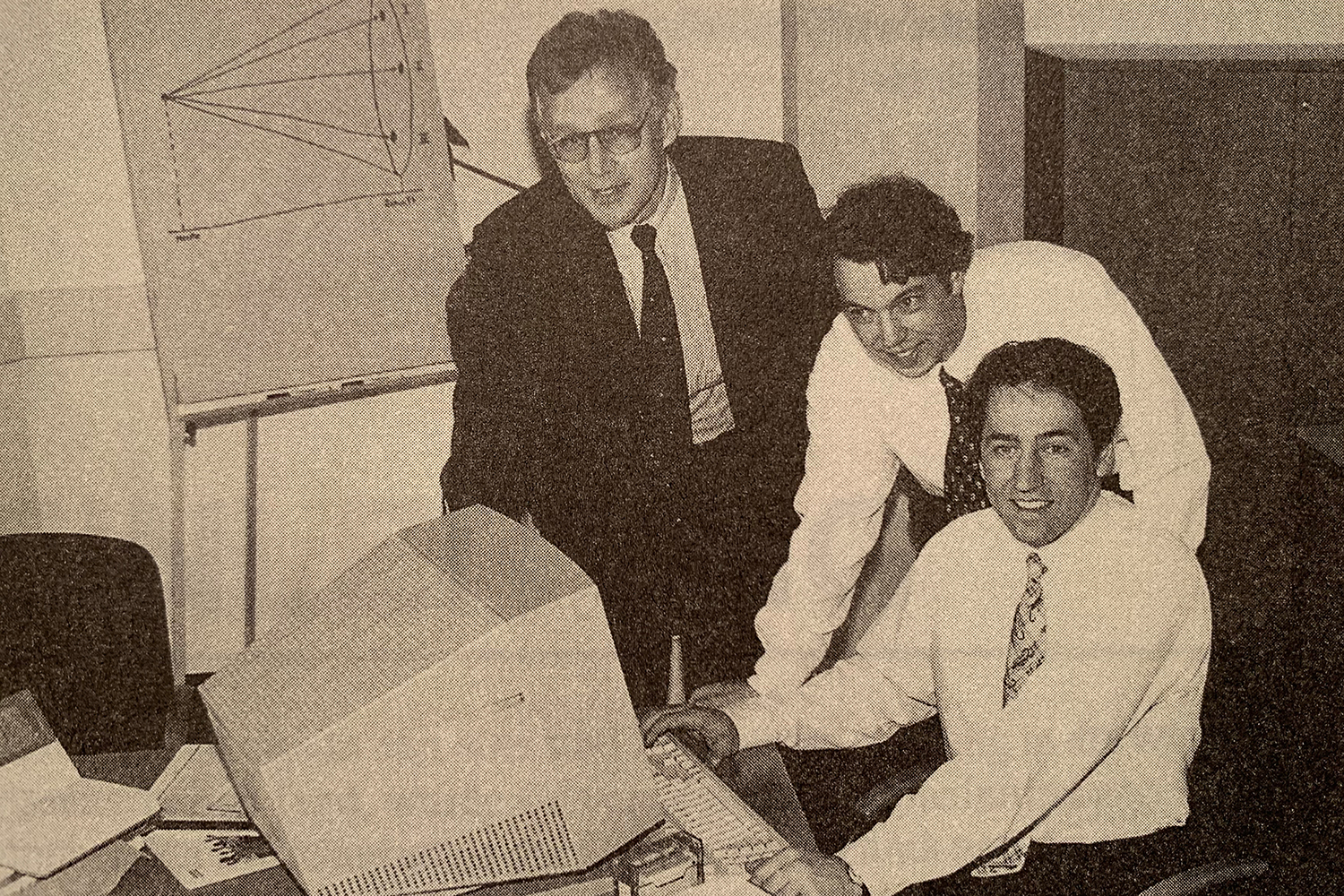
1995: The first book on Scenario Management is published: Prof. Jürgen Gausemeier, Alexander Fink and Oliver Schlake published the first book devoted to Scenario Management, "Szenario-Management - Planen und Führen mit Szenarien" (roughly: "Scenario Management: Planning and Managing with Scenarios"), with Carl Hanser Verlag. A revised second edition appeared just six months later. In its review, Harvard Business Manager wrote (translated from German): "This book should be read by anyone who wants not only to imagine the future of their company, but to help build it."
1995
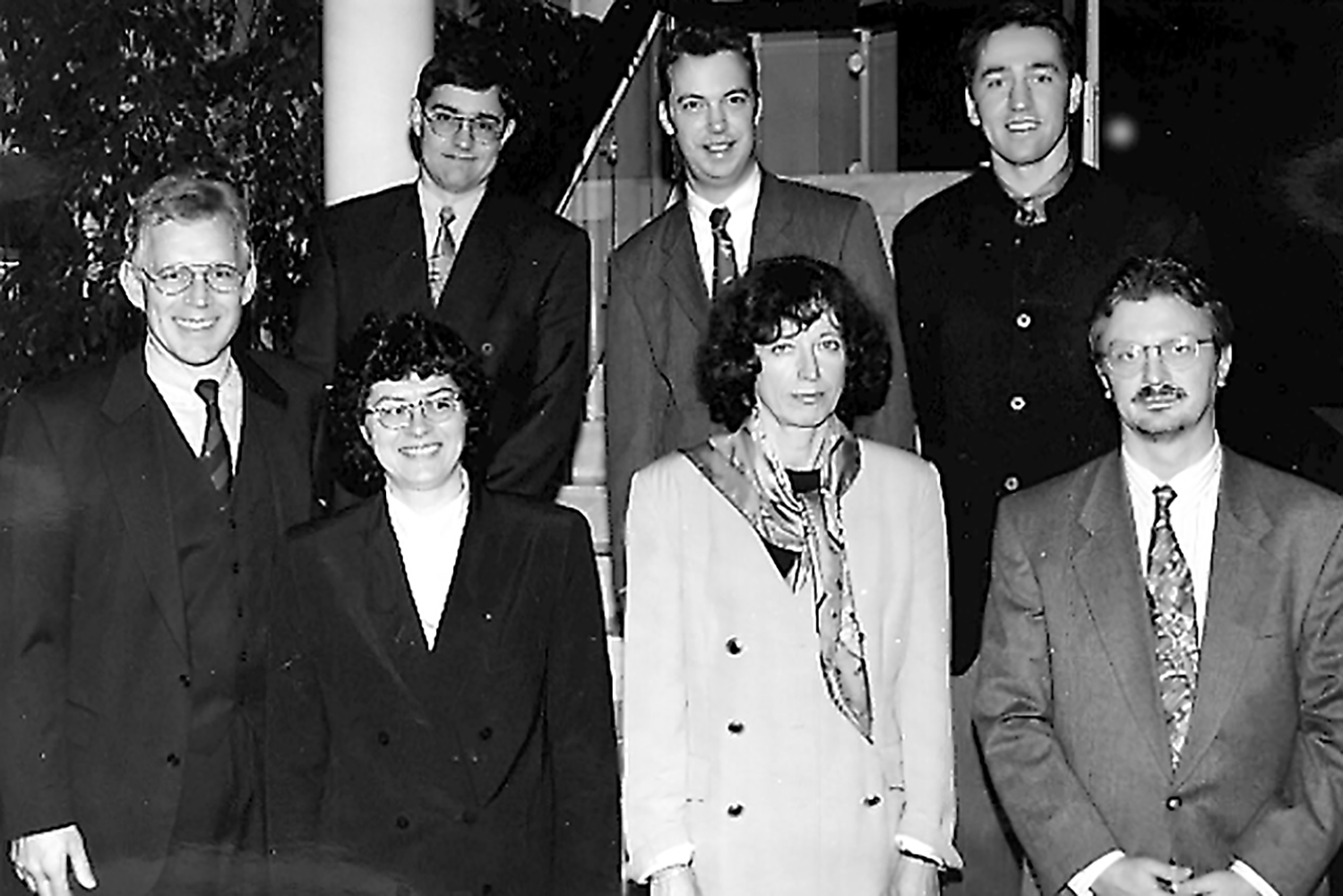
1995: Paderborn Scenario Workshop: On November 14, 1995, an intensive academic exchange on Scenario Management took place at the Heinz Nixdorf Institute at Paderborn University. Prof. Jürgen Gausemeier, Alexander Fink and Oliver Schlake presented the approach and discussed it with Ute Helene von Reibnitz, Gerhard Mattrisch of Daimler-Benz AG, Prof. Uwe Götze and others. The software tool for scenario development was also demonstrated for the first time.
1996
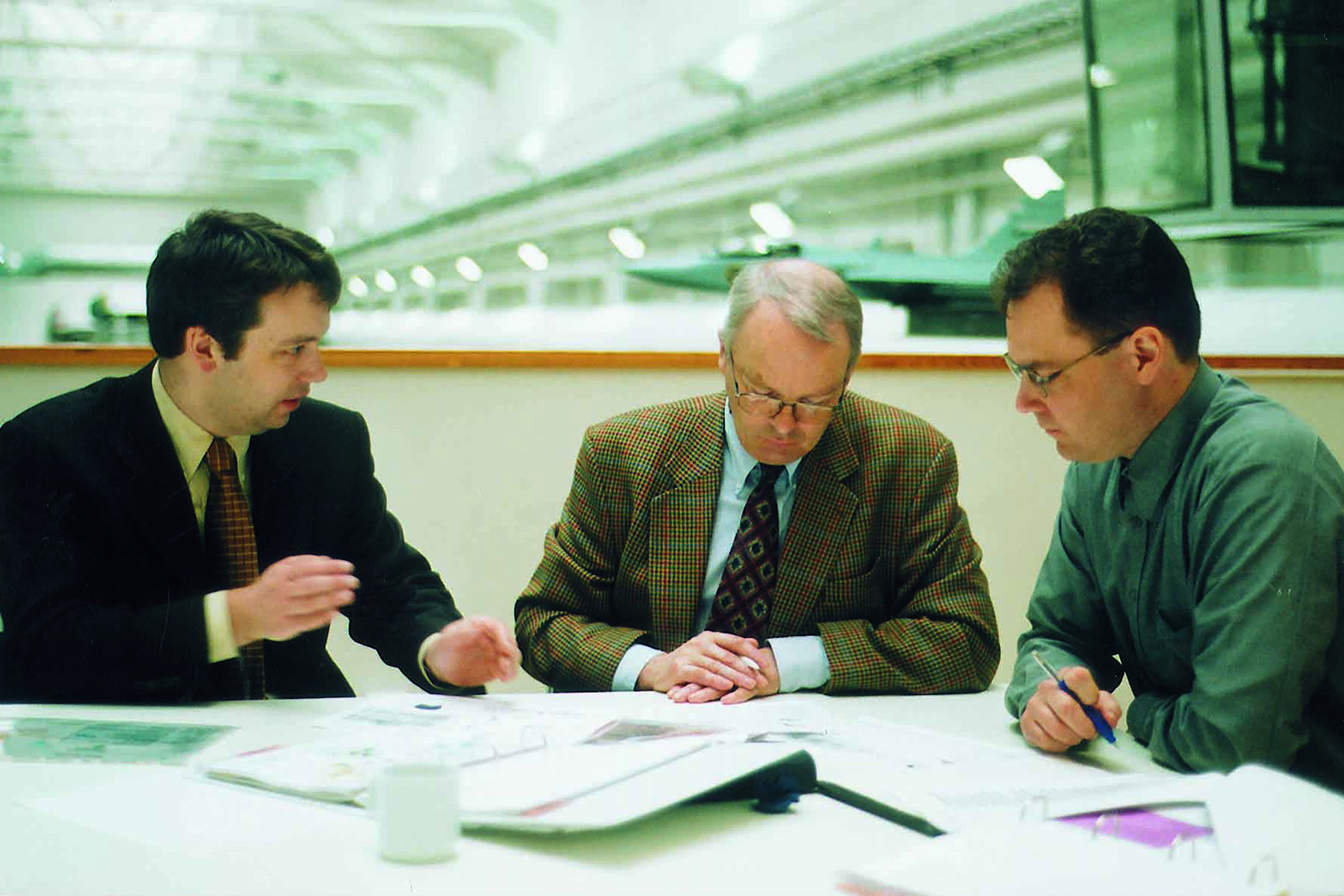
1996: Scenario Management goes international: For General Motors, Alexander Fink and Jens-Peter Kuhle explored how trends and scenarios could be used to examine future business environments. Scenario Management was then applied in an international setting for the first time at a scenario conference for the Swedish carmaker Saab.
1997
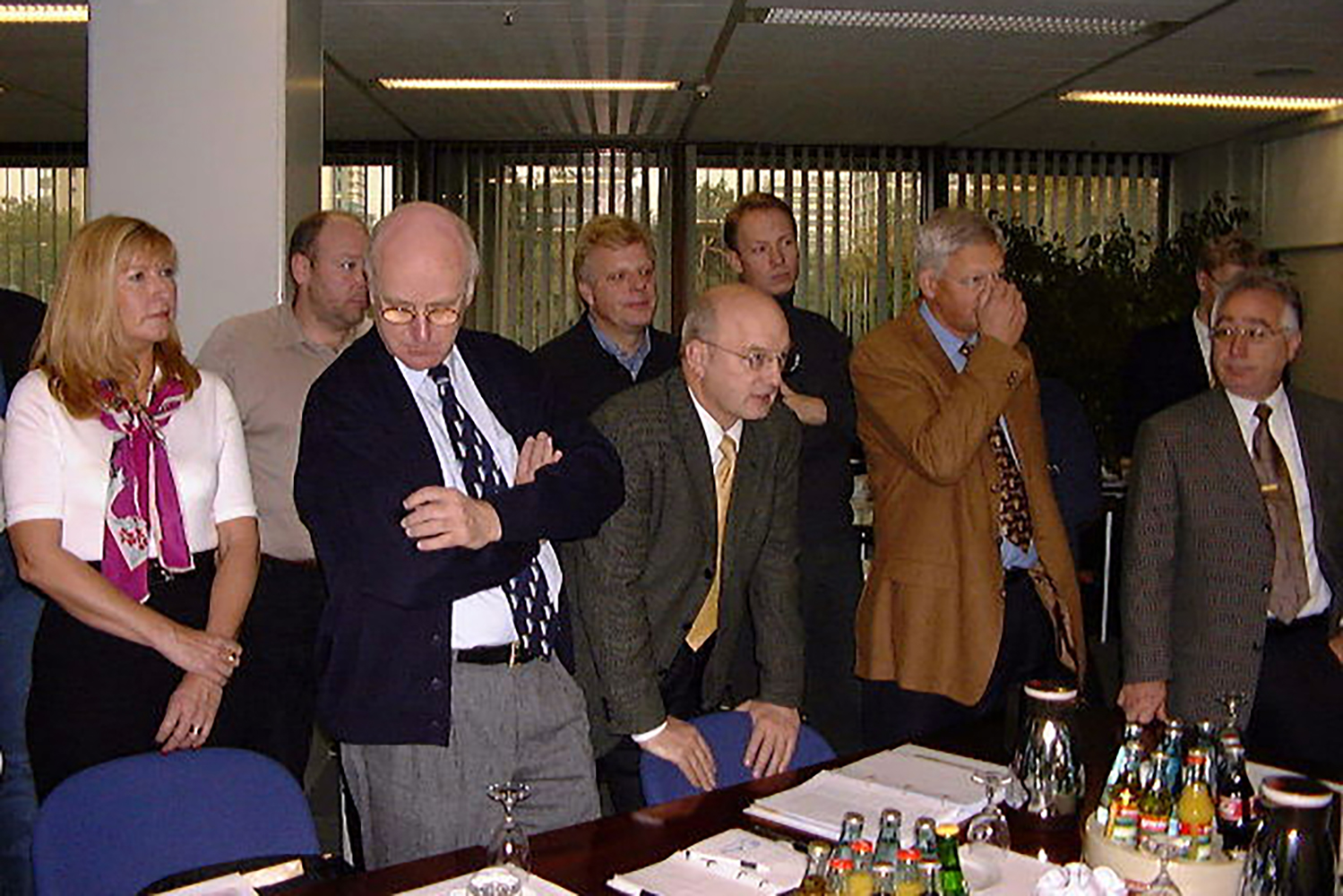
1997: First Scenario Conference for Siemens in Feldafing: Working with Siemens AG's Center for Innovative Topics (CIT), we developed a compact format for scenario processes. The first three-day conference was held at Siemens' executive training center in Feldafing, near Munich, and focused on "Kommune 2005" ("Municipality 2005"). The Scenario Conference later became a widely used format for developing shared visions of the future.
1998
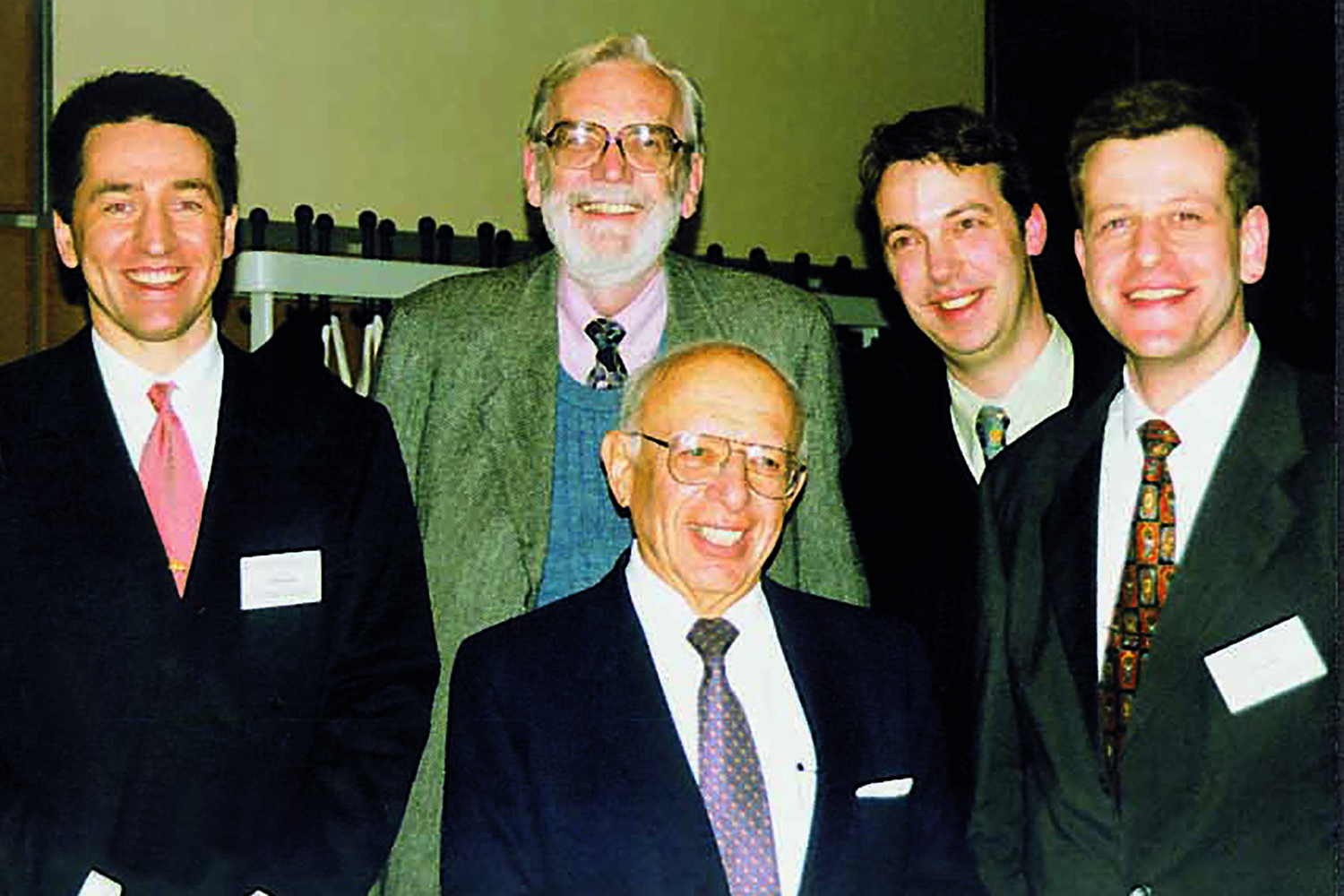
1998: Second Paderborn Conference on Scenario Management: The second Paderborn Conference on Scenario Management took place at the Heinz Nixdorf MuseumsForum, a computer museum and event venue in Paderborn. Its title was "Grenzen überwinden - Zukünfte gestalten" ("Breaking Boundaries, Shaping Futures"). Keynote speakers included Prof. Harold Linstone of Portland State University and Joseph Coates. Workshops featured practical examples from Daimler-Benz, Audi, DASA, Siemens and BMW.
The founding years of ScMI AG (1998–2007)
1998
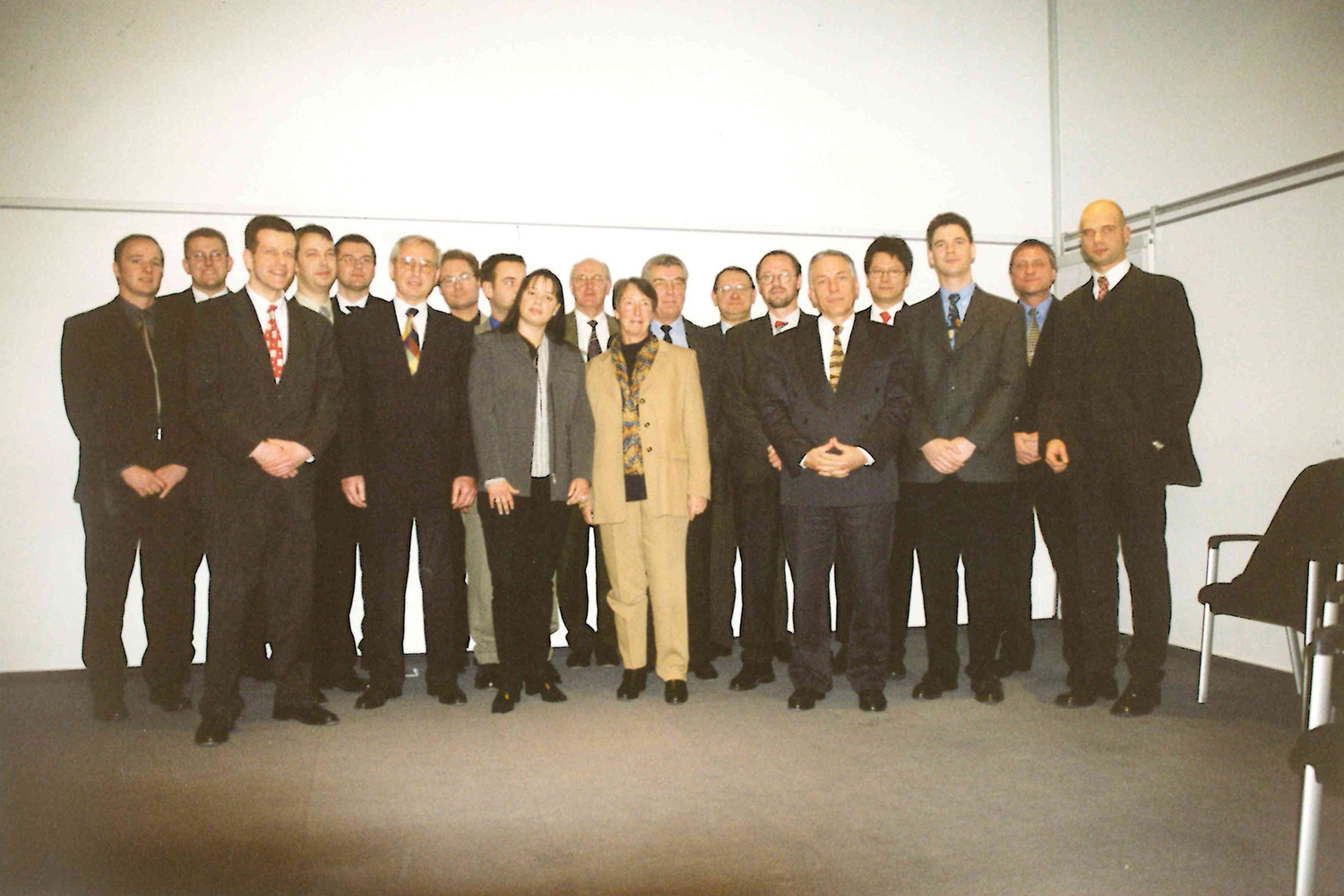
1998: ScMI AG is founded: On December 21, 1998, 24 shareholders founded Scenario Management International Aktiengesellschaft für Zukunftsgestaltung und Strategische Unternehmensführung (ScMI AG), a German stock corporation, at the Heinz Nixdorf MuseumsForum in Paderborn. Franz Tessun, Head of Scenario Planning at DASA, Bernd Reike and Dieter Hofmann, Head of Siemens AG's Center for Innovative Topics (CIT), were elected to the first Supervisory Board. The Board appointed Alexander Fink, Oliver Schlake and Andreas Siebe to the Management Board.
1999
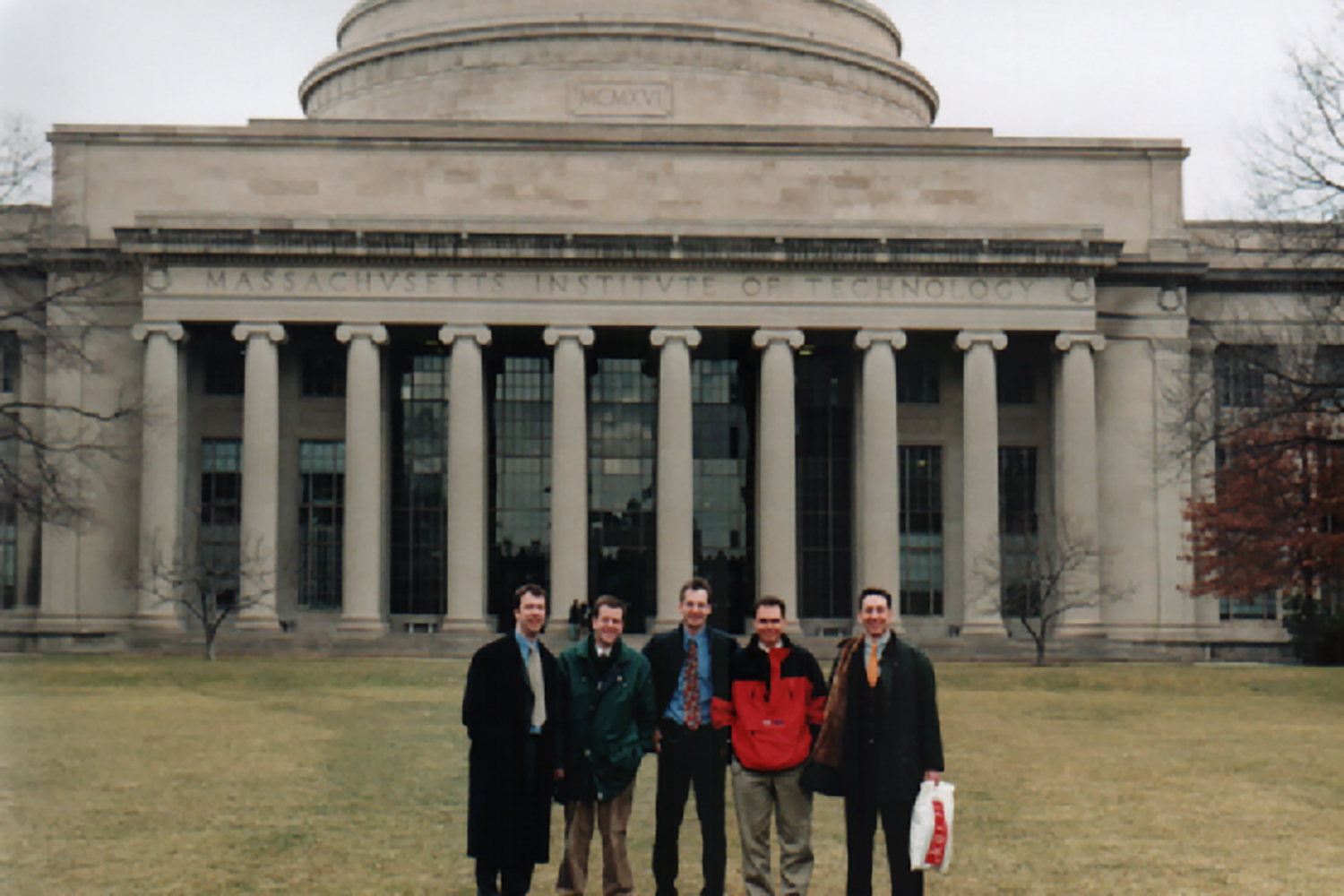
1999: ScMI strategy meeting in Boston: At its first strategy meeting, ScMI developed scenarios for the emerging market for futures consulting. The team also met experts in foresight and strategy at Harvard Business School and the Massachusetts Institute of Technology (MIT).
2000
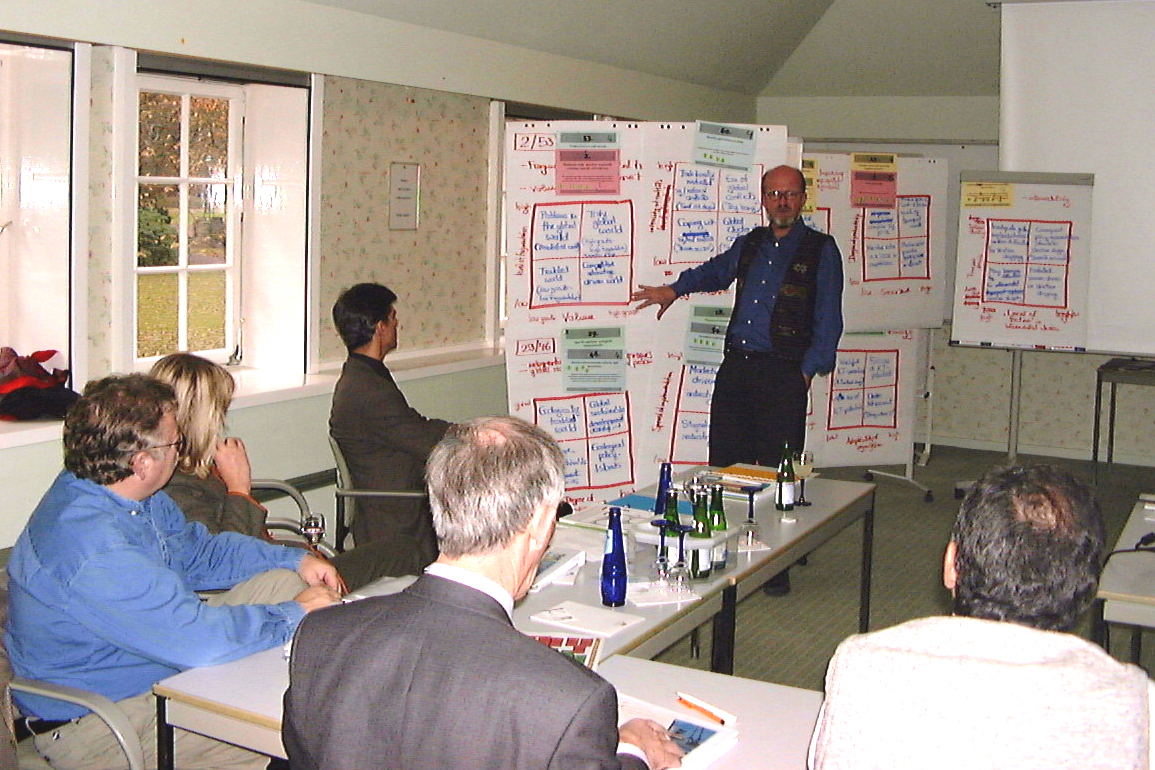
2000: Scenarios for the European Virtual Maritime Institute (EVIMAR): In its first EU project, ScMI AG developed scenarios for the future of the maritime economy and selected sectors. Both the scenarios and the methodology were later incorporated into the European Virtual Maritime Institute (EVIMAR).
2001
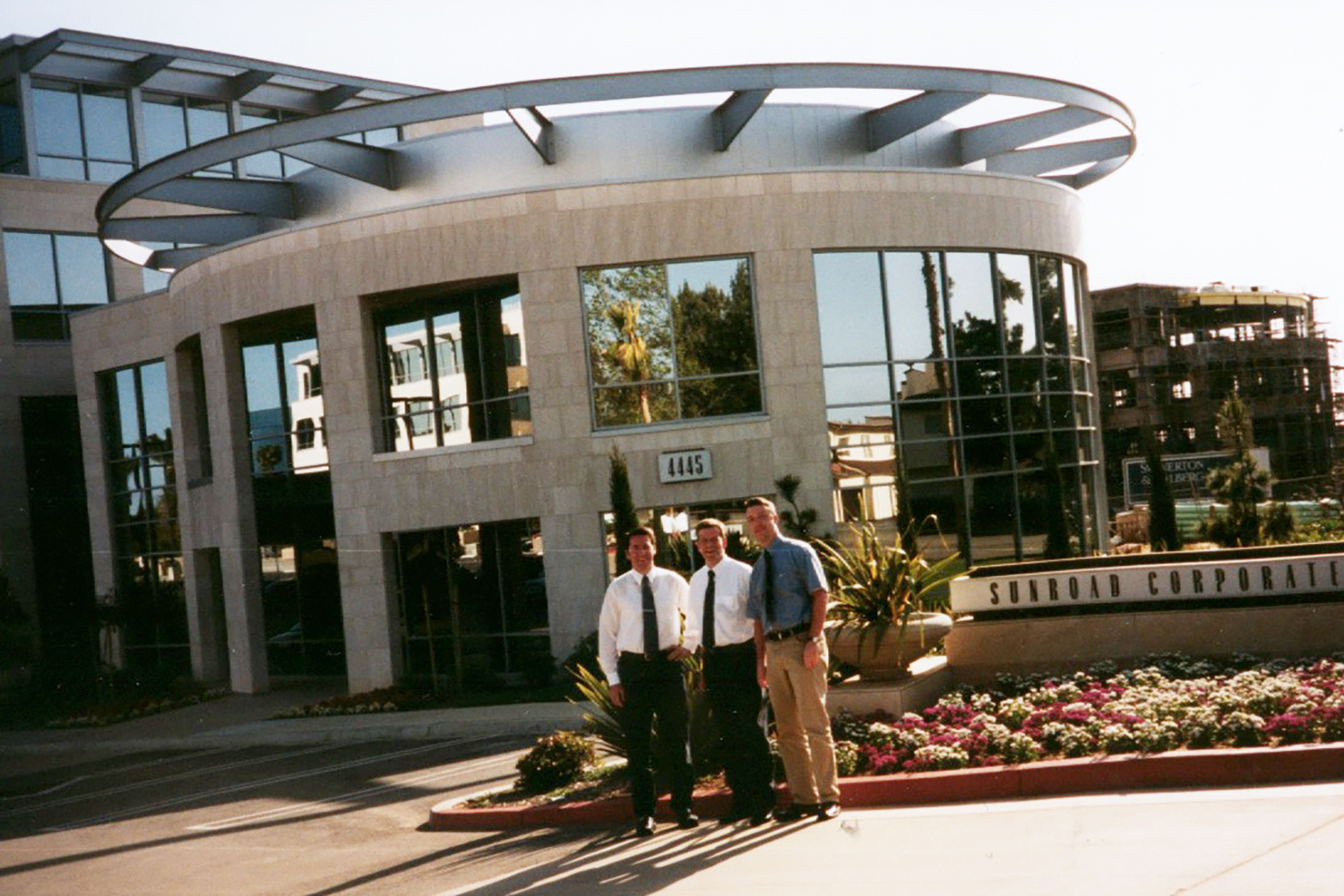
2001: ScMI opens a branch in San Diego: After leaving ScMI AG's Management Board at the end of 2000, Dr. Oliver Schlake took over the company's office in San Diego, California.
2002
2002: First ScMI Partner Conference: ScMI's first Partner Conference brought together participants from seven European countries to develop scenarios for the future of European regions. The scenarios were later published in several professional journals.
2003
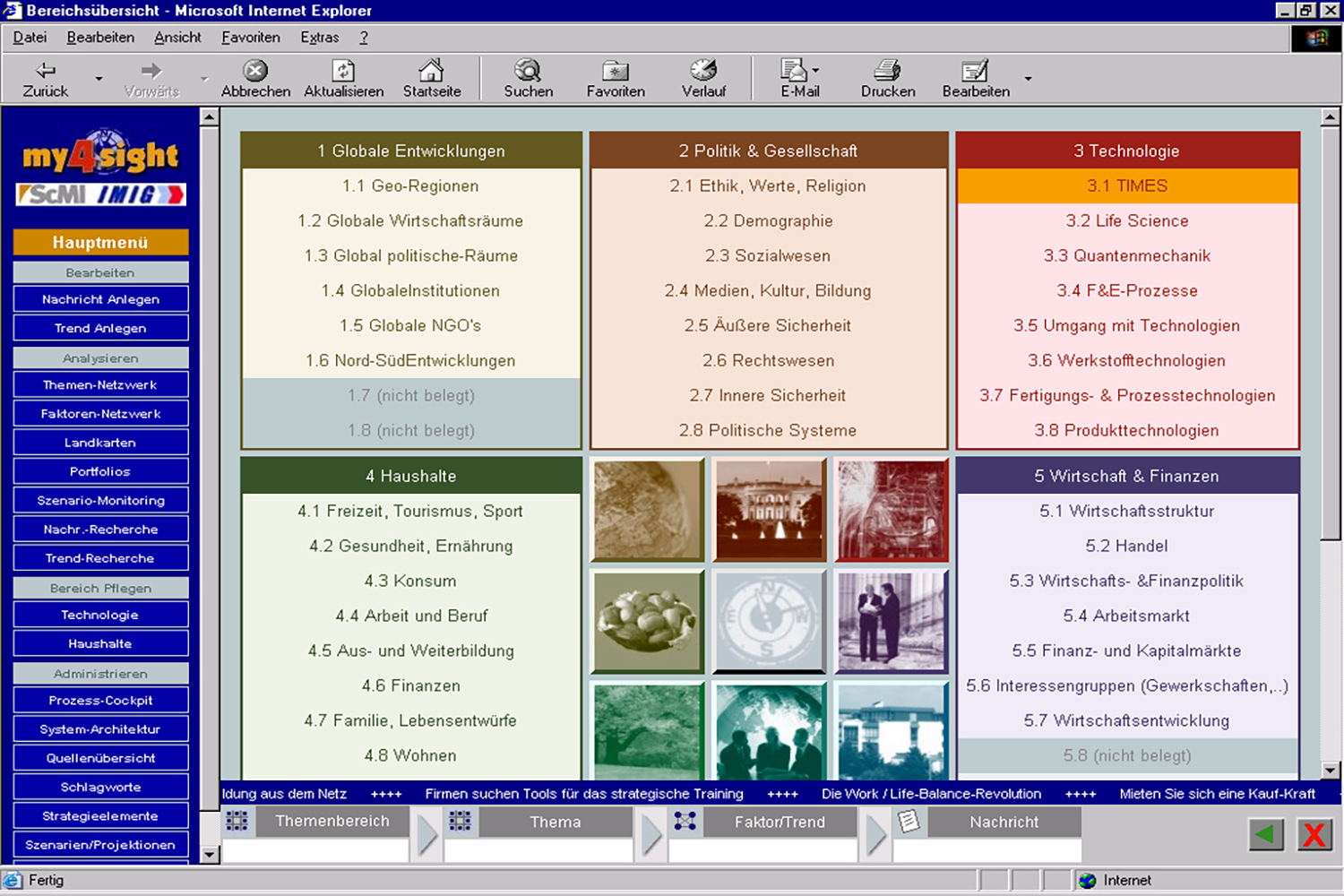
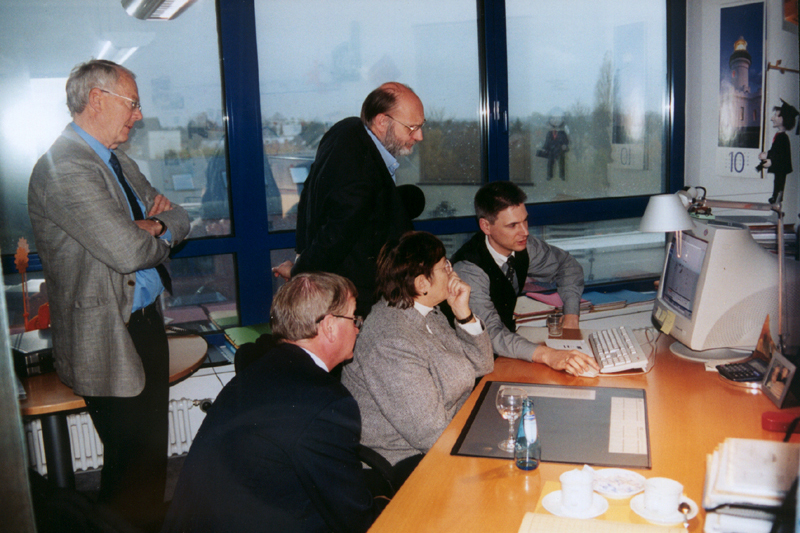
2003: Strategic early warning with my4sight: Together with IMIG AG, ScMI developed my4sight, an early-warning system that linked scenario monitoring with trend management. It was presented at a conference on strategic early warning in Bad Lippspringe, near Paderborn. Other contributions came from Degussa, DFS Deutsche Flugsicherung, Germany's air navigation service provider, and Siemens.
2003
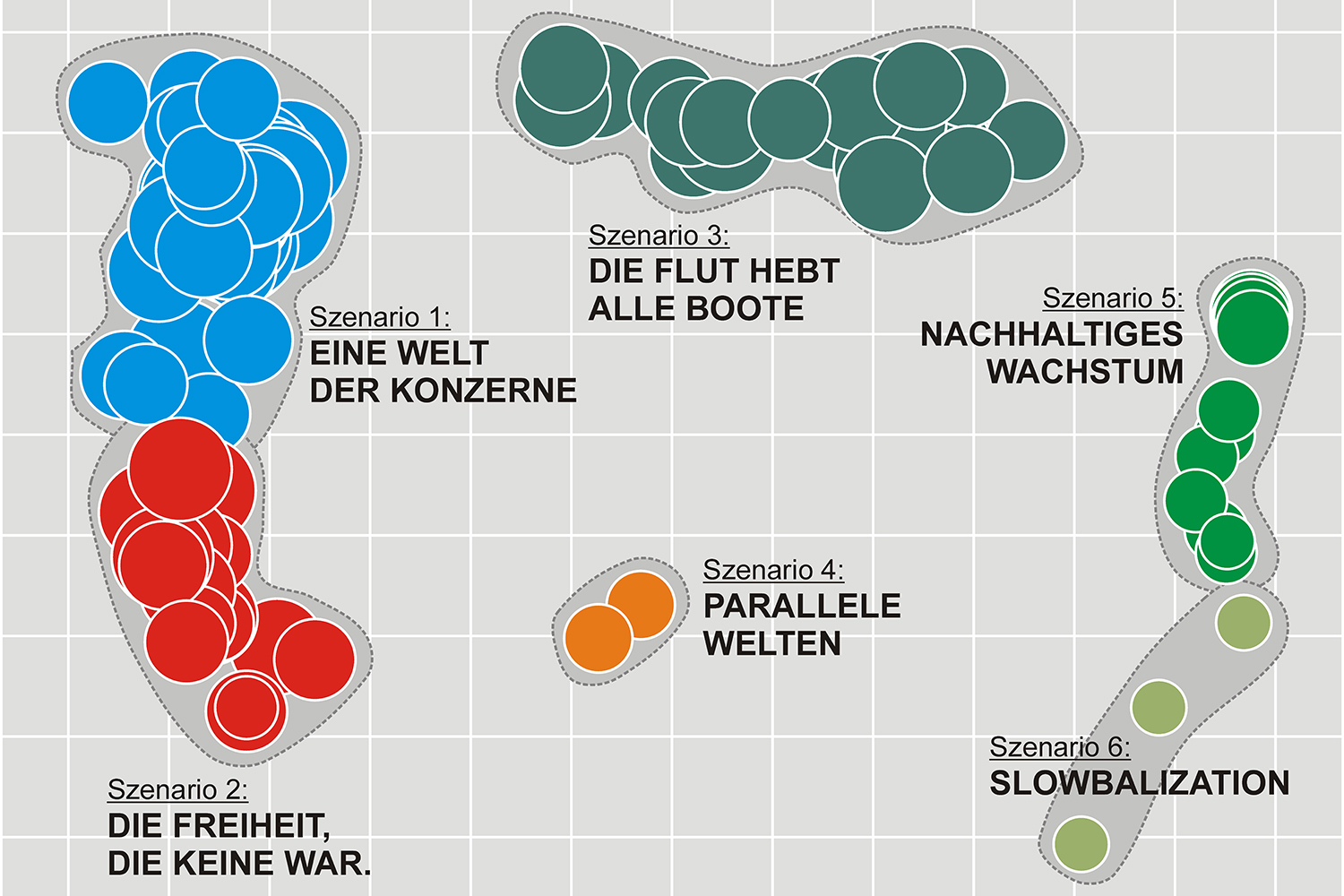
2003: Scenarios with the European Academy of Sciences and Arts: A joint scenario process examined the sustainability of global financial markets. Several developments that later emerged during the global banking and financial crisis had already been anticipated in the scenarios.
2004
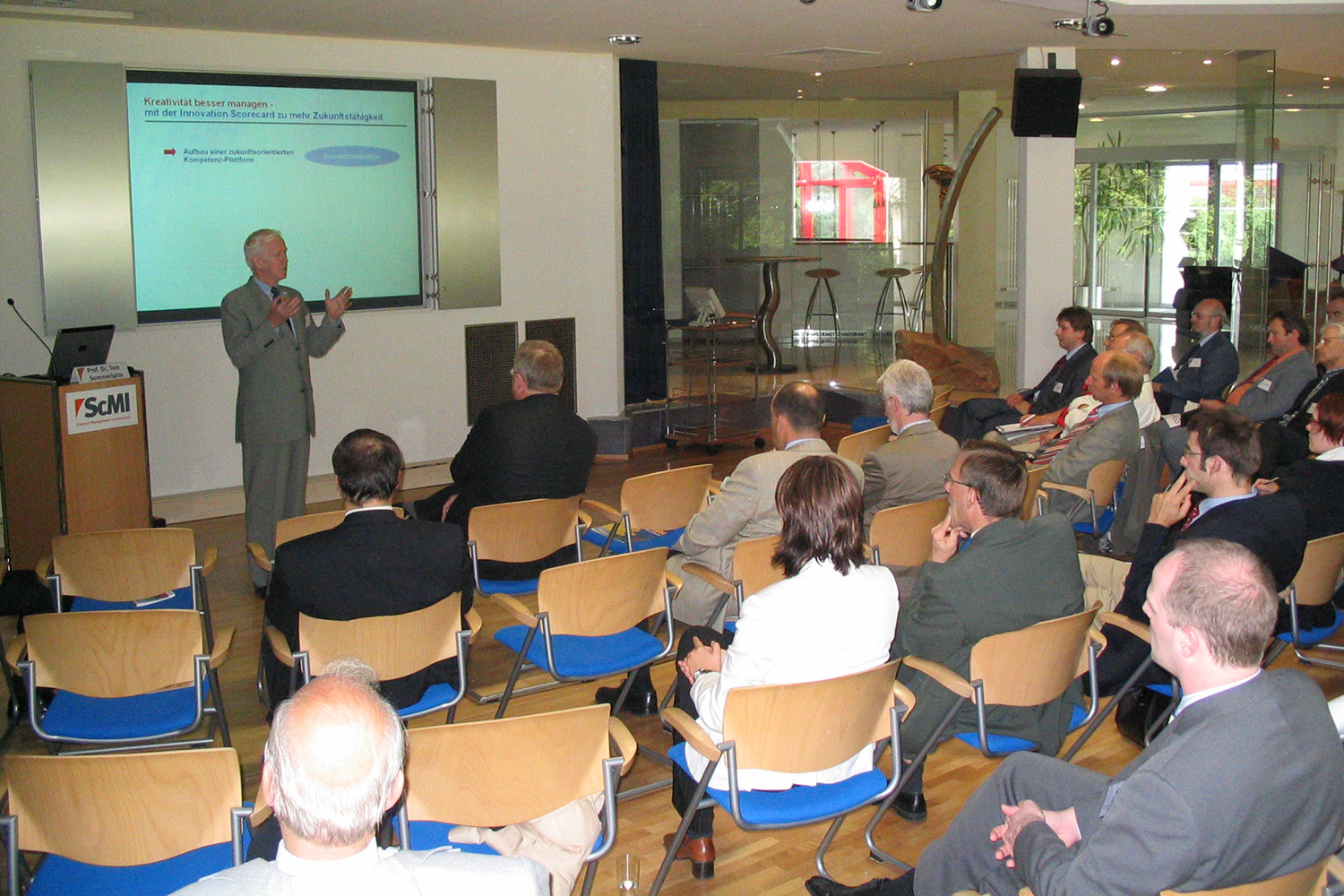
2004: Fourth International Conference on Scenario Management: ScMI AG hosted the fourth International Conference on Scenario Management in Paderborn. Speakers included Prof. Dr. Tom Sommerlatte, Chairman of Arthur D. Little, Karl Rose, Head of Strategy at Shell International, and Ute Helene von Reibnitz.
2006
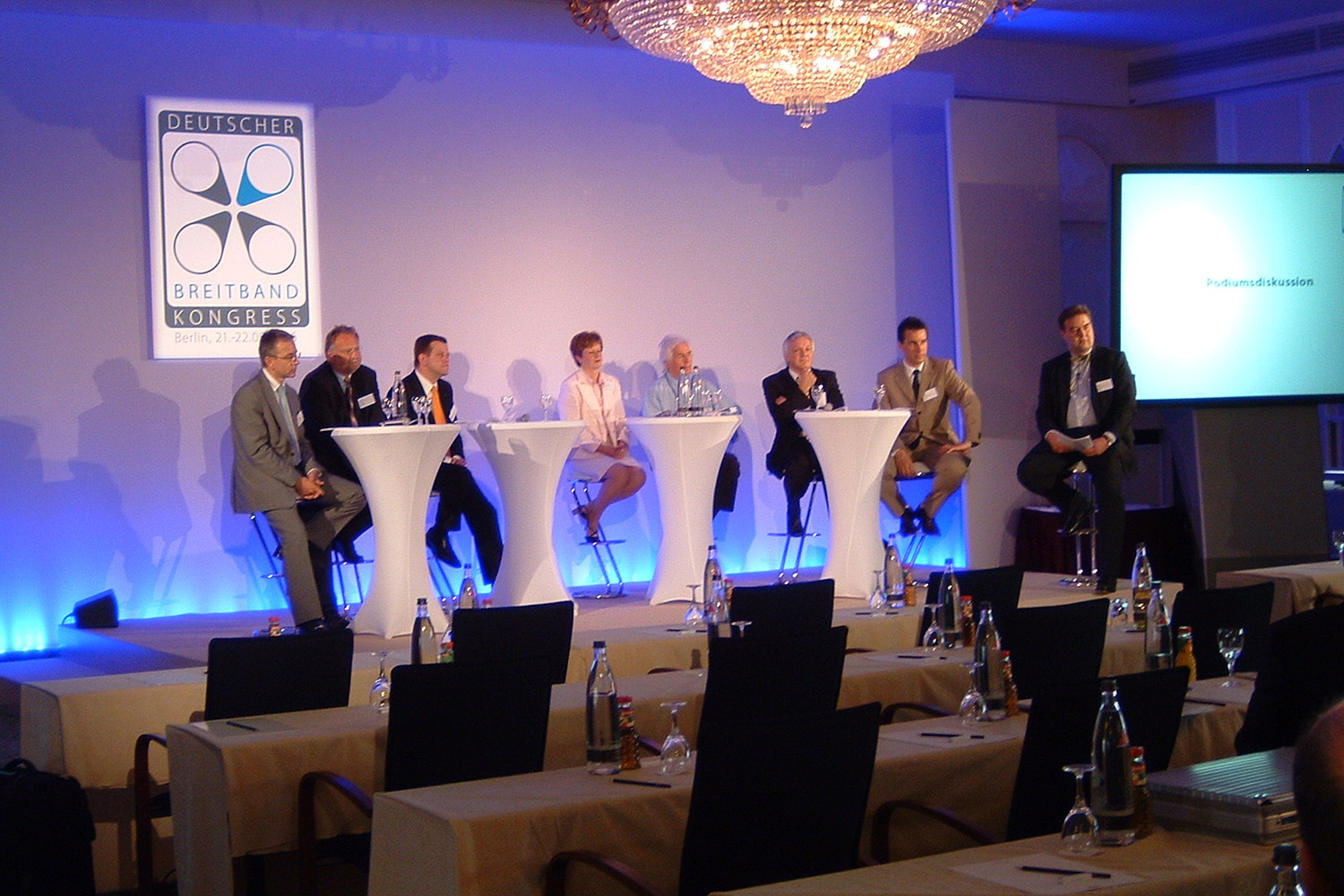
2006: 150 participants develop scenarios at the German Broadband Congress: At the first Deutscher Breitbandkongress ("German Broadband Congress") in Berlin, ScMI AG worked with 150 participants to develop scenarios for the future of telecommunications. The group ranged from hardware suppliers and network operators to regulators and worked in six parallel forums.
2006
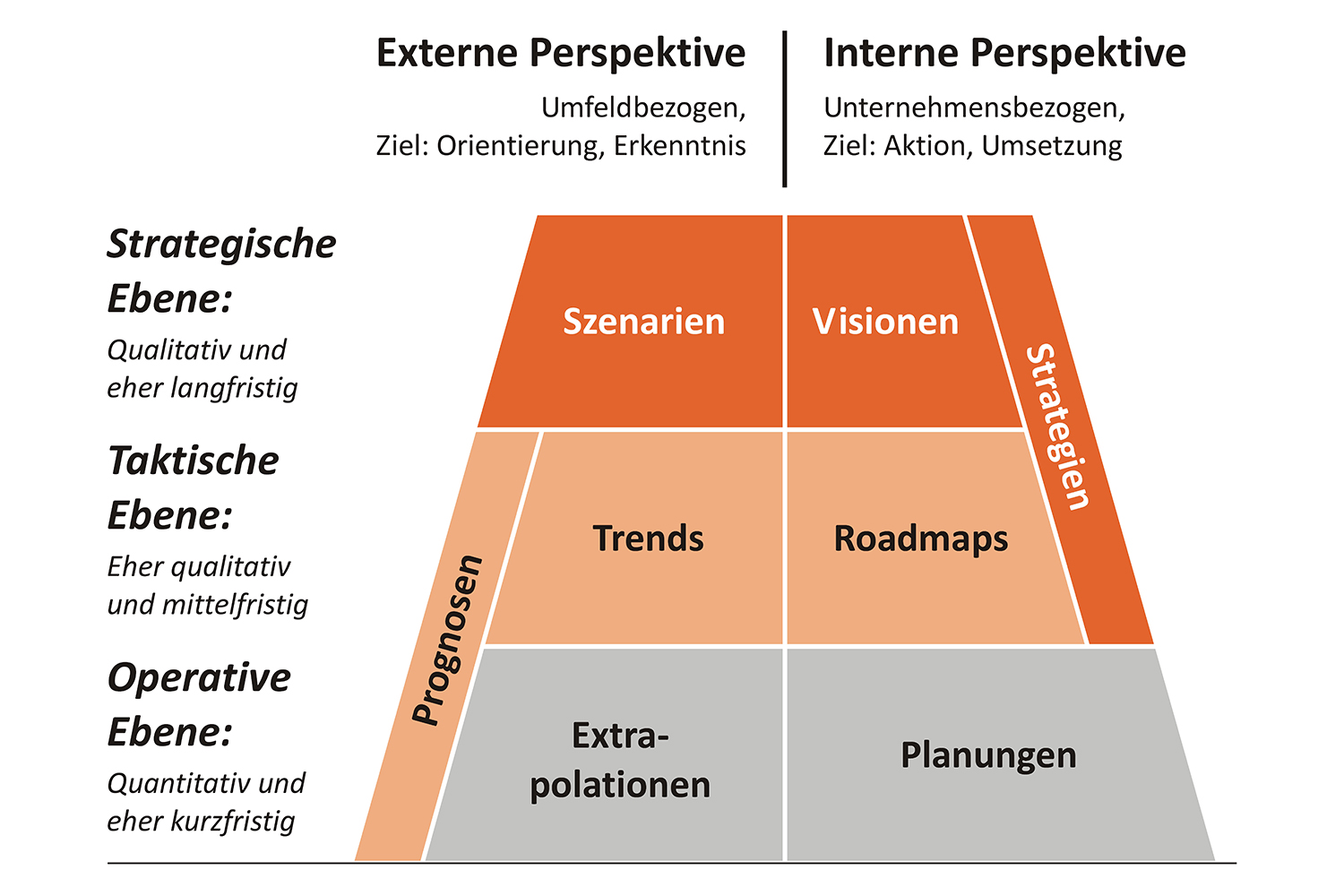
2006: "Handbuch Zukunftsmanagement" ("Future Management Handbook"): ScMI's three-level model of Future Management provided a framework for positioning different tools for working with the future. These ranged from scenarios and visions to trends, roadmaps, forecasts and planning. The methods were brought together in a handbook published by Campus Verlag. Bernhard Schreier, then CEO of printing-press manufacturer Heidelberger Druckmaschinen, commented (translated from German): "This book has all the makings of a standard reference for futures thinkers, trend researchers, strategists, planners, entrepreneurs and decision-makers."
ScMI's international growth (2008–2019)
2009
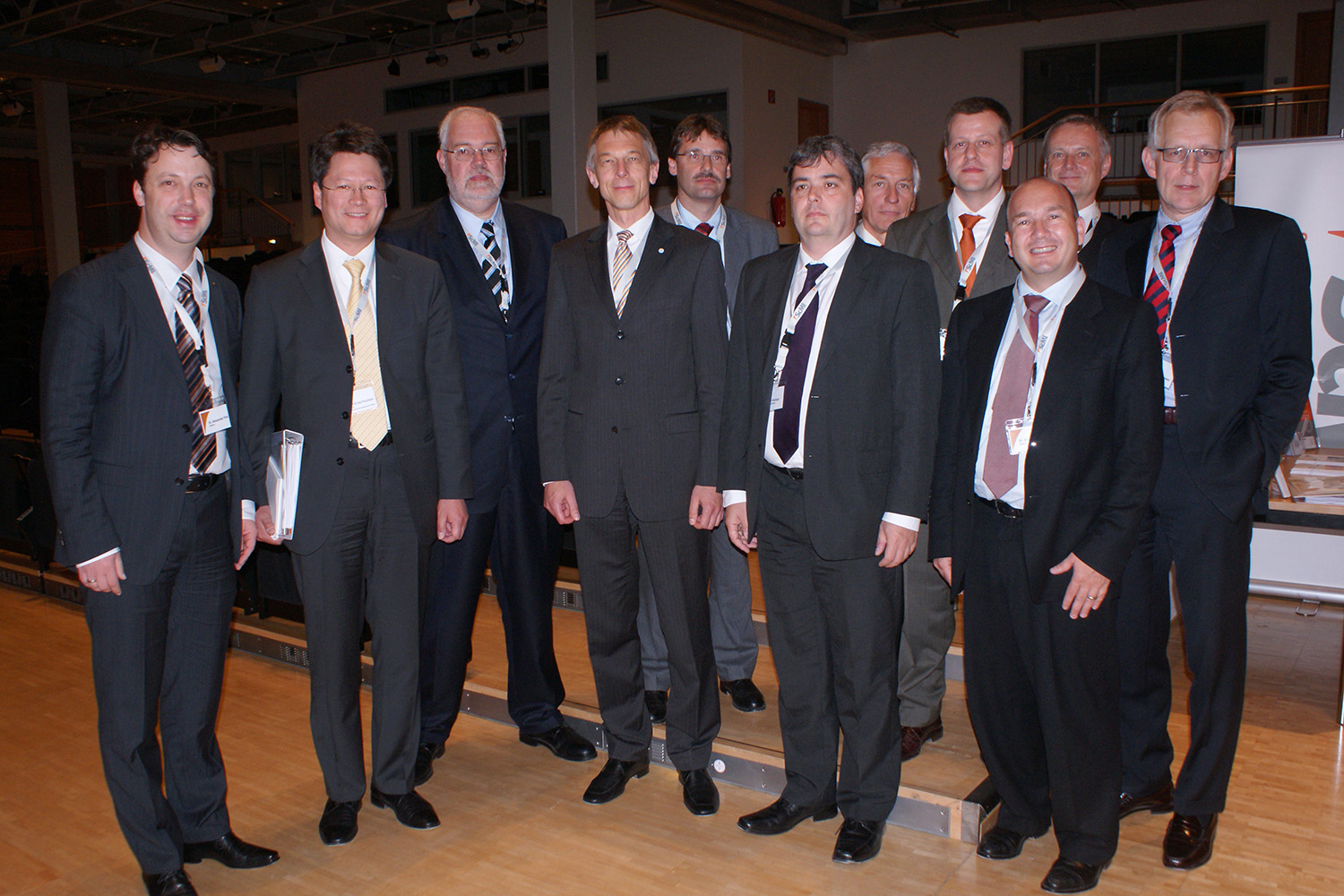
2009: Sixth International Conference on Scenario Management: The sixth International Conference on Scenario Management was held at the Heinz Nixdorf MuseumsForum. Contributors included Dr. Josef Kruse of Rheinmetall Defence, Kester Kleinert of Sparkasse Bremen, a regional savings bank, Colonel Dr. Thomas Will of the German Armed Forces and Dr. Rainer Feurer of BMW Group.
2009
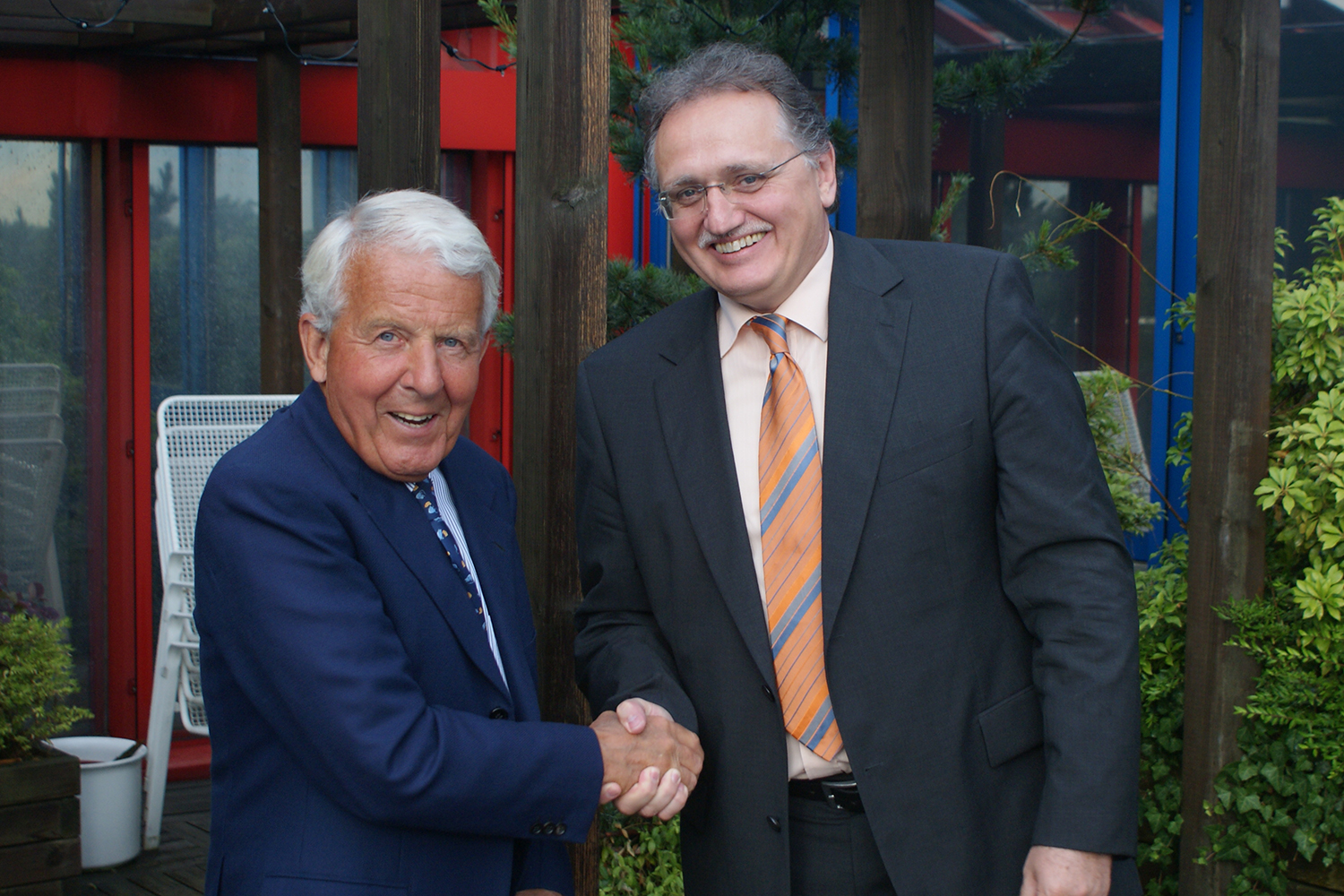
2009: Dr. Becker becomes Chair of the Supervisory Board: Dr. Ralf Becker, managing partner of Becker KG in nearby Brakel, succeeded Dr. Gert Vaubel as Chair of ScMI AG's Supervisory Board. For the first time, the chair was held by a regional owner-manager from a medium-sized company.
2010
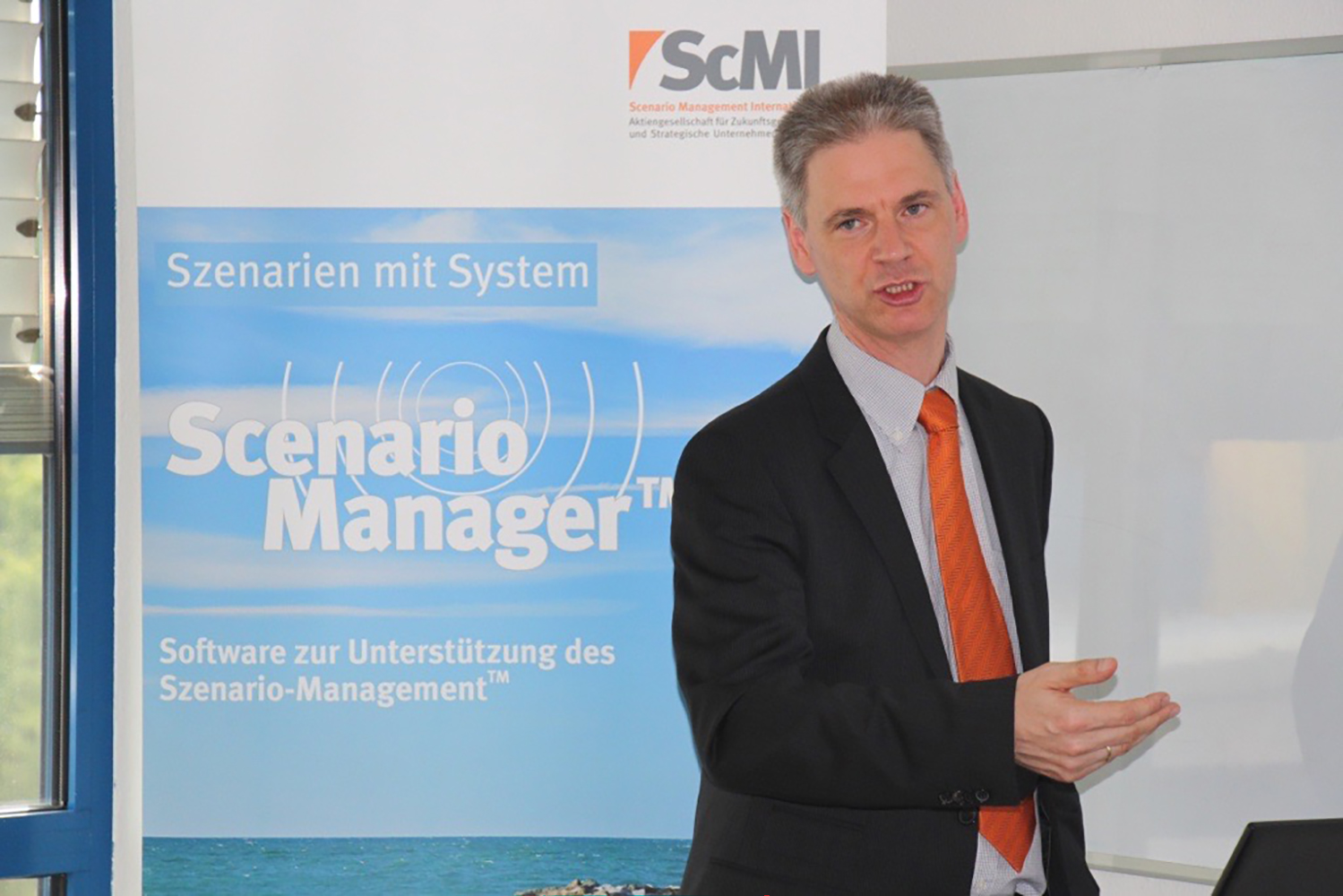
2010: Scenario-Manager is relaunched: Since its founding, ScMI AG had used its own Scenario-Manager software to identify key factors in interconnected systems and reduce complex future spaces to a manageable set of scenarios. The 2010 relaunch turned the mainly internal tool into a commercial product. Over the following years, companies, organizations and universities in Germany and abroad adopted the software. Scenario-Radar was added so clients could assess and monitor existing scenarios.
2010
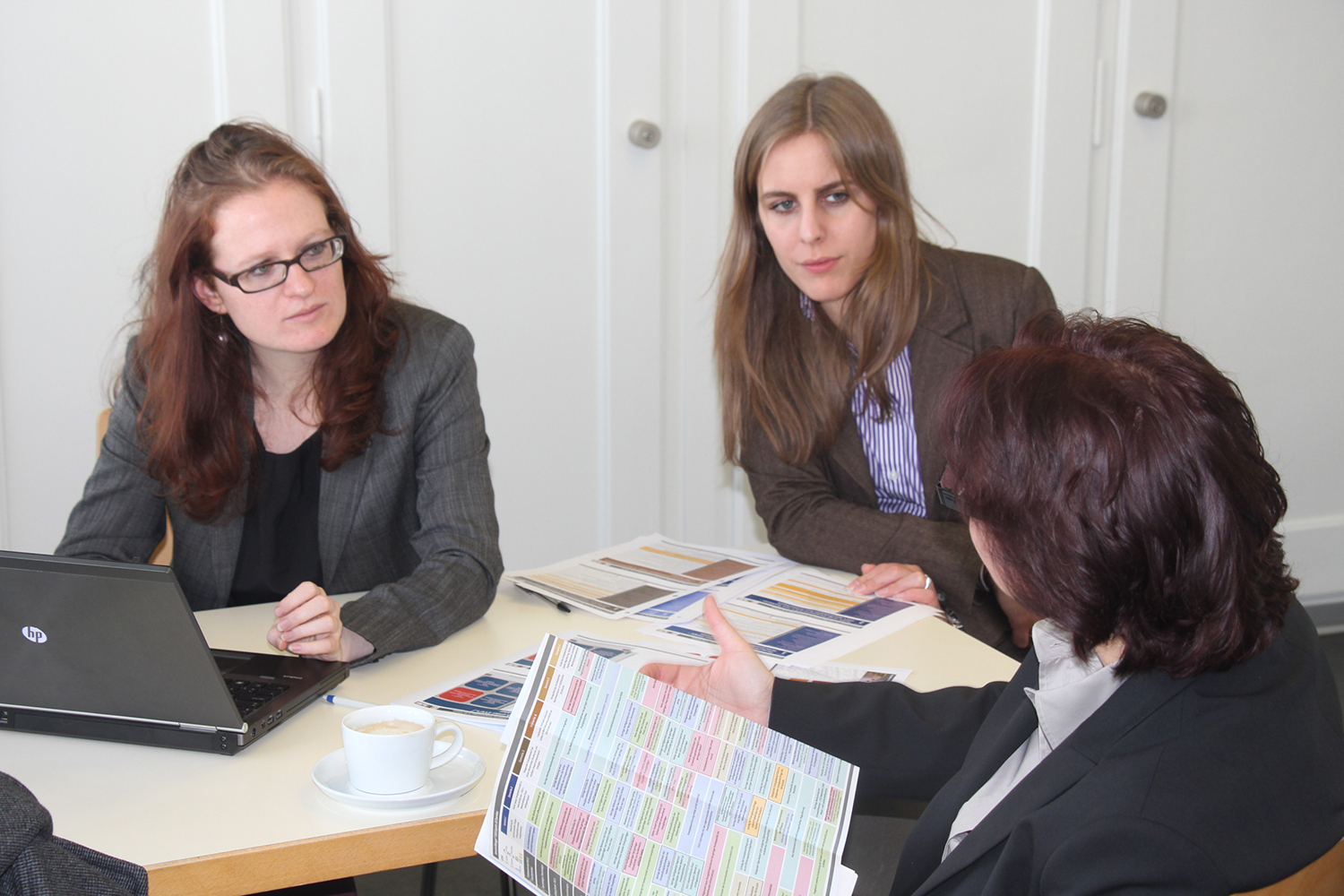
2010: First ScMI Future School at Paderborn University: ScMI believed futures thinking should start before professional life. Together with oikos, a student sustainability initiative, ScMI AG held its first Future School at Paderborn University in summer 2010. Students examined business sustainability and learned to use scenarios to think systematically about alternative futures. The Future School marked the start of many more scenario training courses at universities, often in cooperation with companies and other organizations.
2013
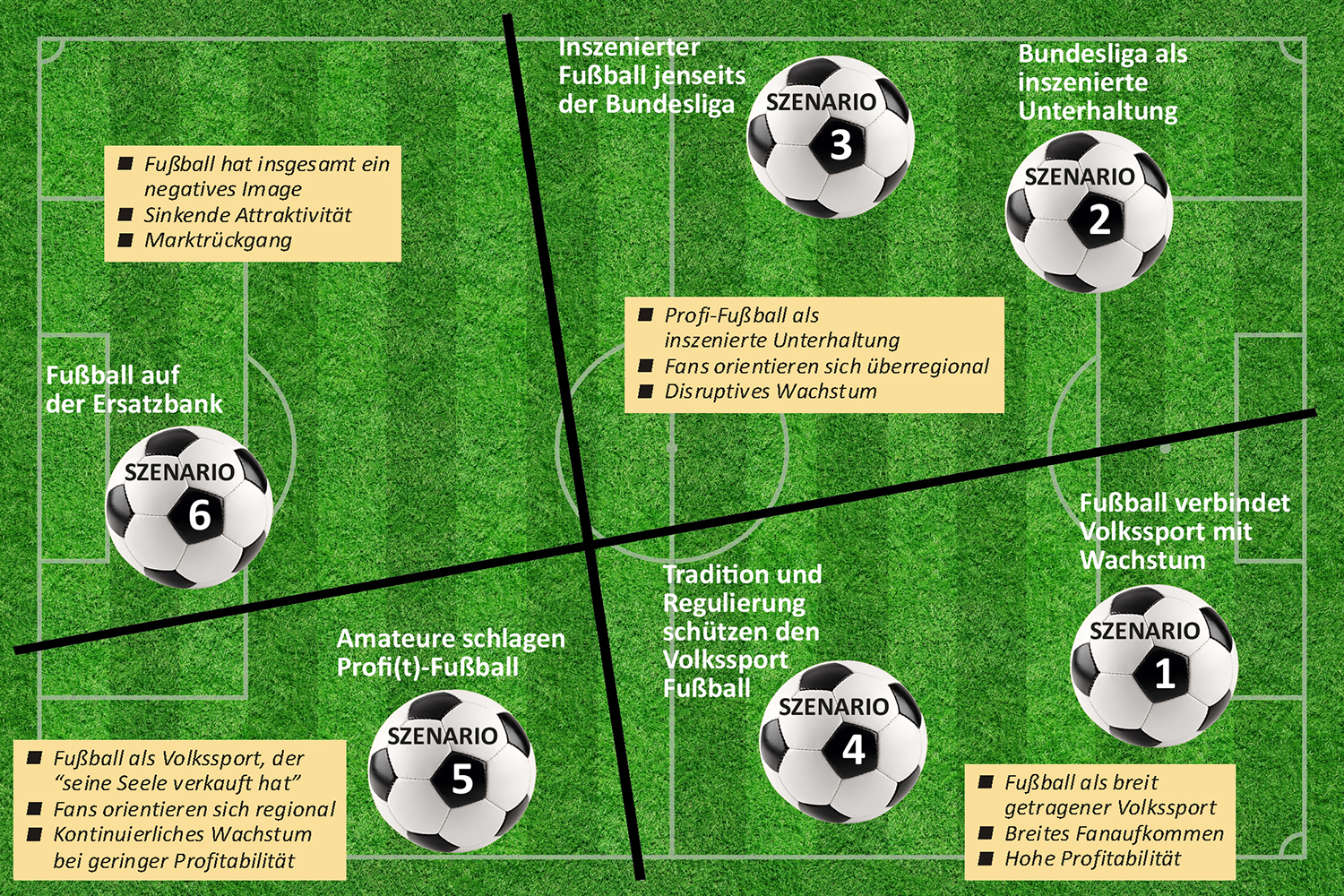
2013: "Ligafieber" ("League Fever"): ScMI scenarios on Sportschau: To mark 50 years of the Bundesliga, Germany's top football league, German broadcaster ARD produced five special editions of its Sportschau program under the title "Ligafieber". The first episode, "Macher und Meilensteine" ("Makers and Milestones"), featured Günter Netzer, Willi Lemke, Matthias Sammer and Reiner Calmund. The producers drew on ScMI AG's scenarios. Alexander Fink and Andreas Siebe used practical examples to show what scenarios can offer decision-makers in professional football.
2013
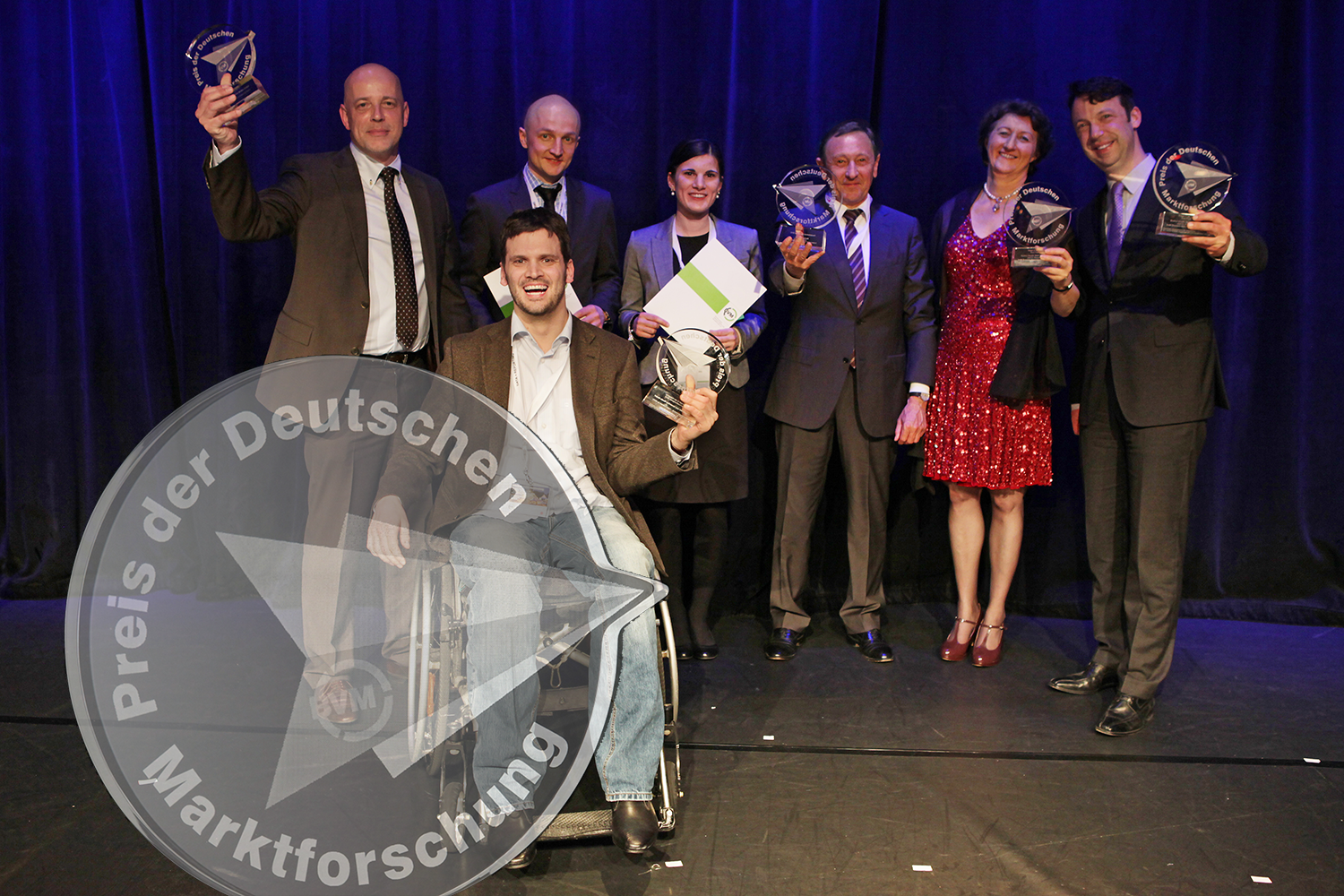
2013: ScMI receives the "German Market Research Award": The award was presented for the ninth time at the 48th German Market Research Congress in Berlin. ScMI AG was among that year's recipients. The award recognized scenario projects on urban mobility, commercial vehicles and coach travel that ScMI had developed with MAN Truck & Bus AG in Munich.
2014
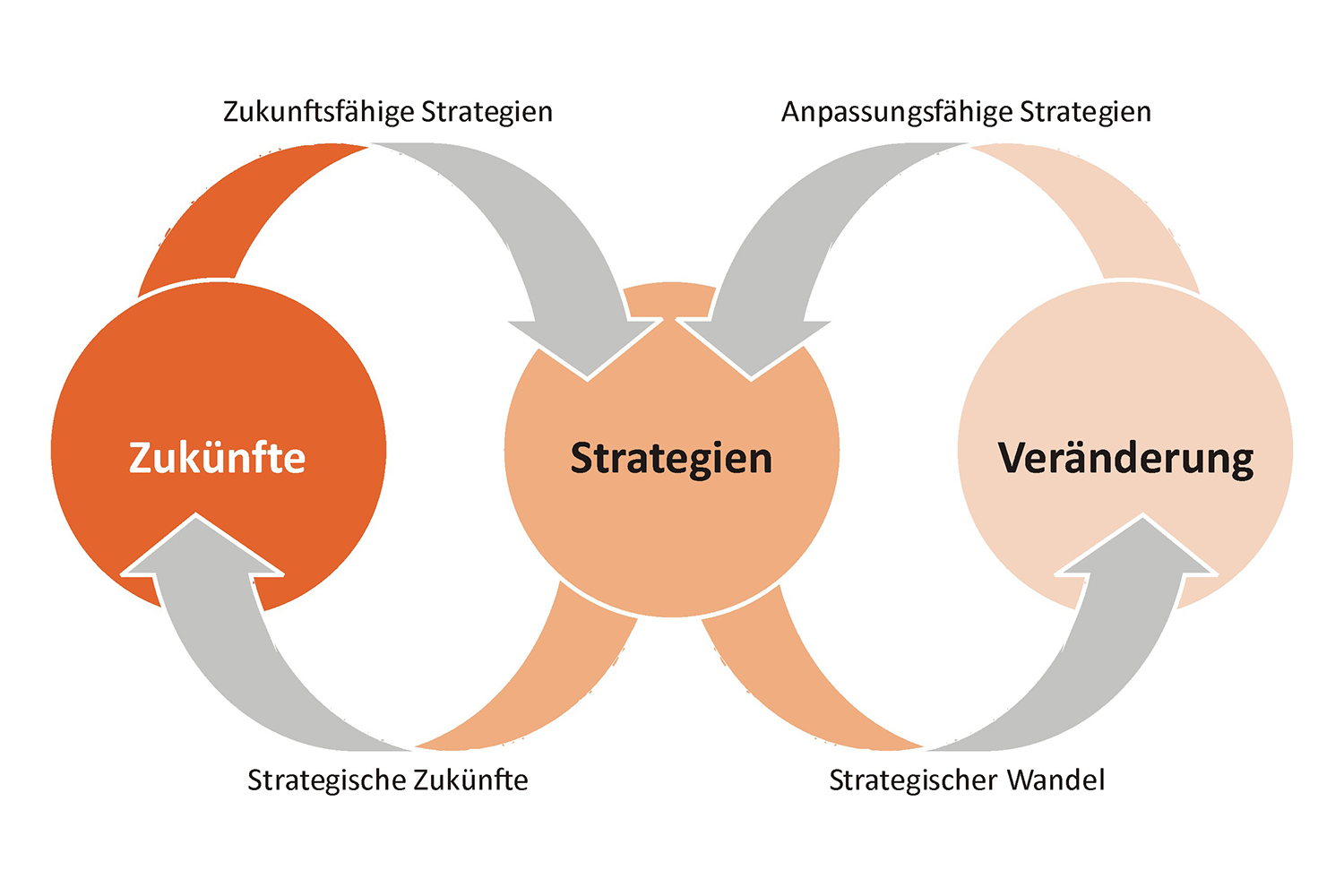
2014: Future Driven Change: ScMI AG expanded its portfolio beyond scenarios and strategy to include Future Driven Change. The aim was to embed scenarios more firmly in companies and organizations and to support the changes needed to put strategy into practice.
2016
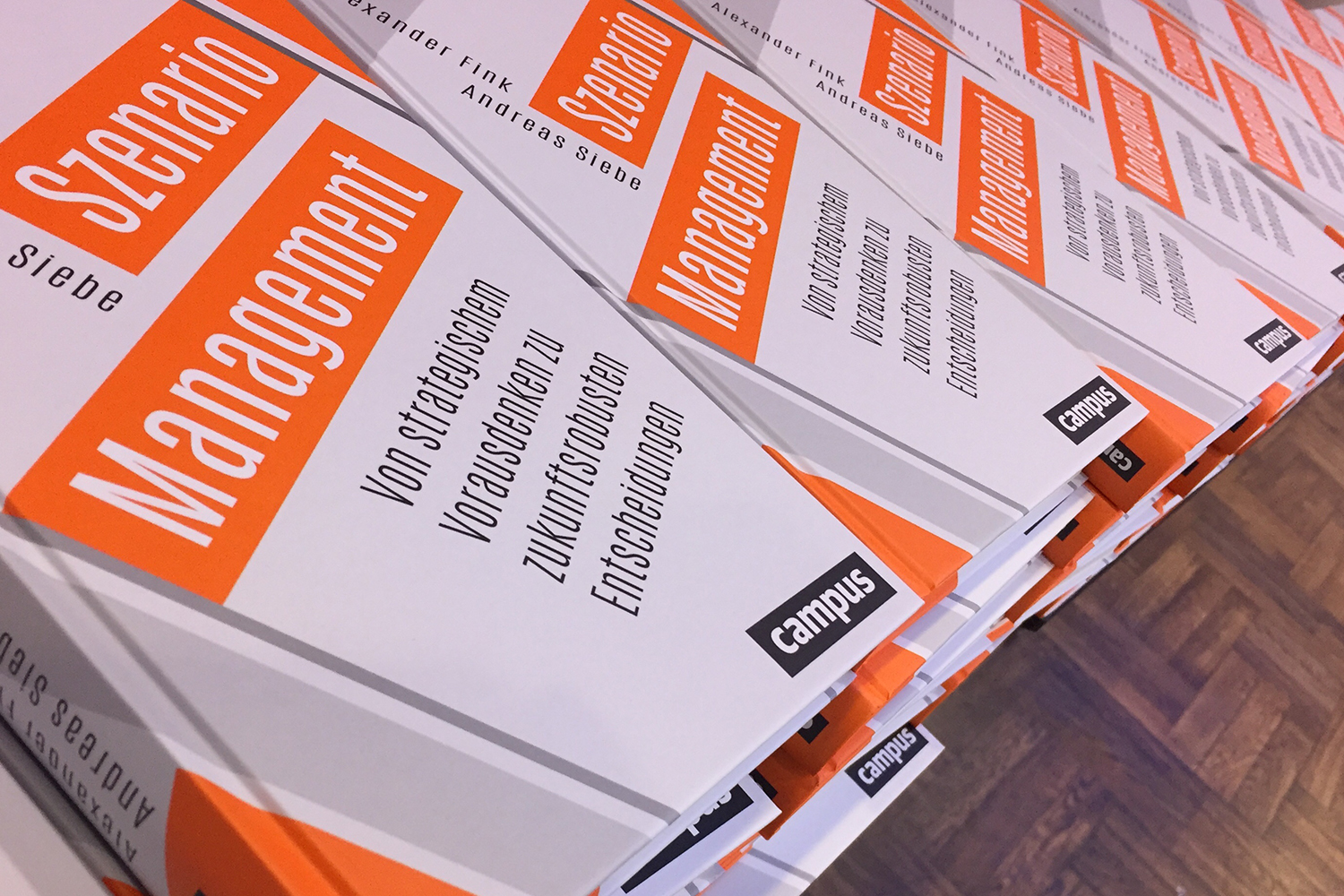
2016: Book launch at EASY WORLD: At EASY WORLD 2016, ScMI launched "Szenario-Management - Von strategischem Vorausdenken zu zukunftsrobusten Entscheidungen" (roughly translated as "Scenario Management: From Strategic Foresight to Future-Robust Decisions"). In the book, ScMI Management Board members Dr. Alexander Fink and Dr. Andreas Siebe presented the current state of scenario development, interpretation and application, illustrated with recent projects. The foreword was written by Franz Fehrenbach, Chairman of the Supervisory Board of Robert Bosch GmbH.
2016
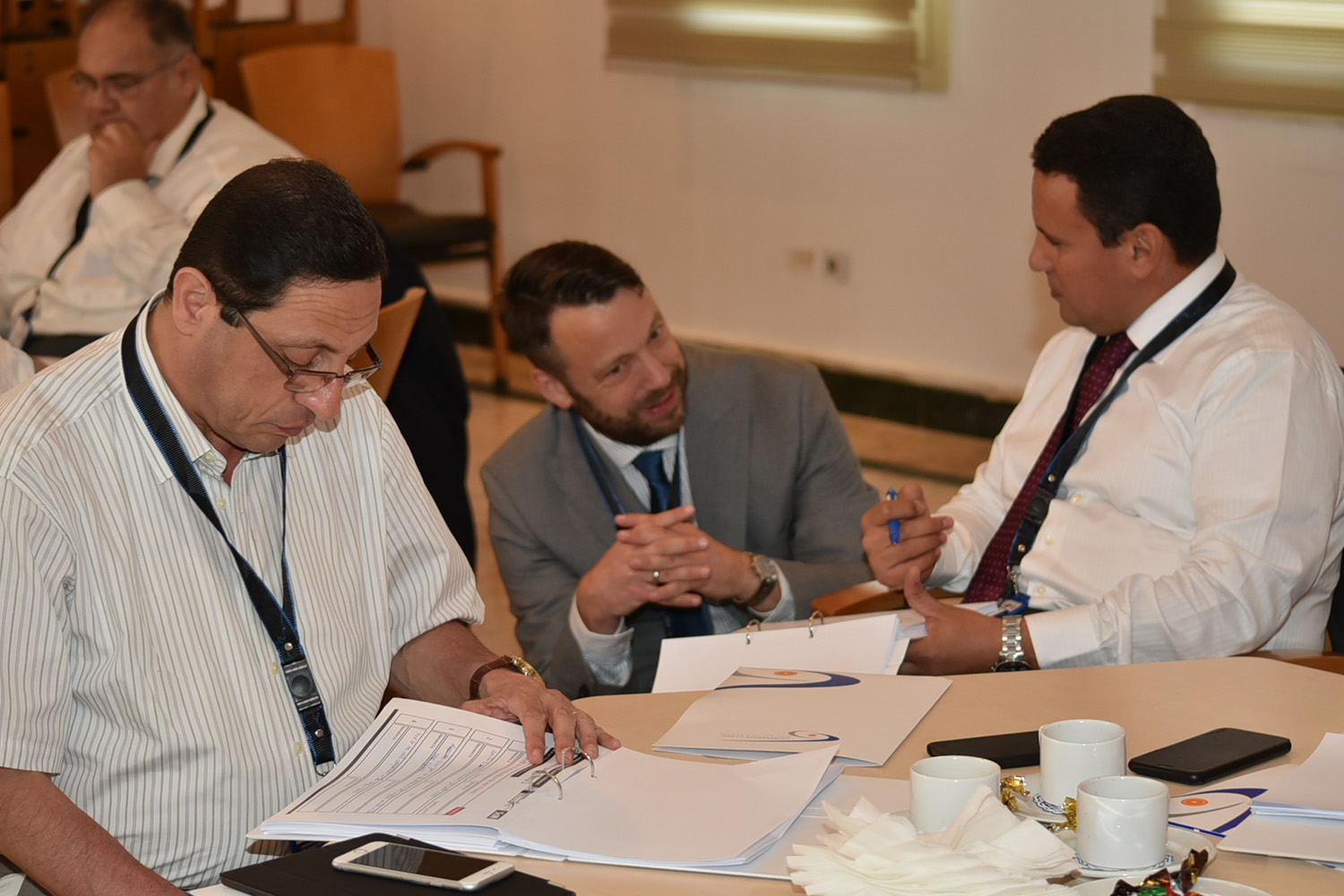
2016: Scenario workshop in Cairo: ScMI formed a partnership with CORPORATE CLINIC, an Egyptian consultancy founded in 2010, for North Africa, the Middle East and Turkey. The first joint workshop was held at the German-Arab Chamber of Industry and Commerce (AHK Egypt) in Cairo.
2017
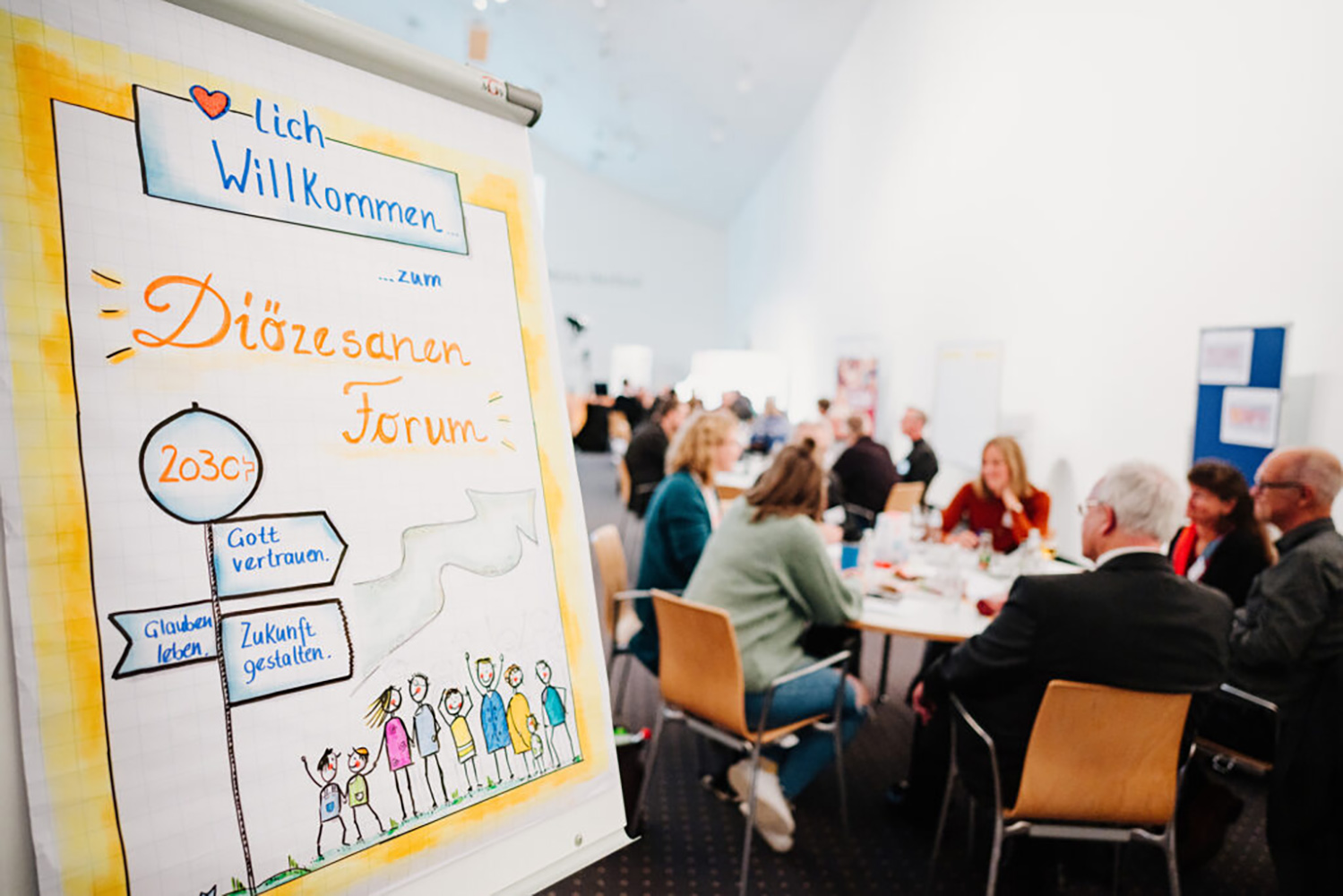
2017: ScMI develops scenarios for the Archdiocese of Paderborn: ScMI's scenario work also extends to public and civil-society organizations. For a Paderborn-based company, one local project was especially close to home: the Archdiocese of Paderborn. Together, ScMI and the Archdiocese developed scenarios for the future context of the Catholic Church. The scenarios were prepared for wider communication and discussed at the 2017 diocesan forum. They have since become an important part of the Archdiocese's vision of the future and a basis for concrete projects.
2018
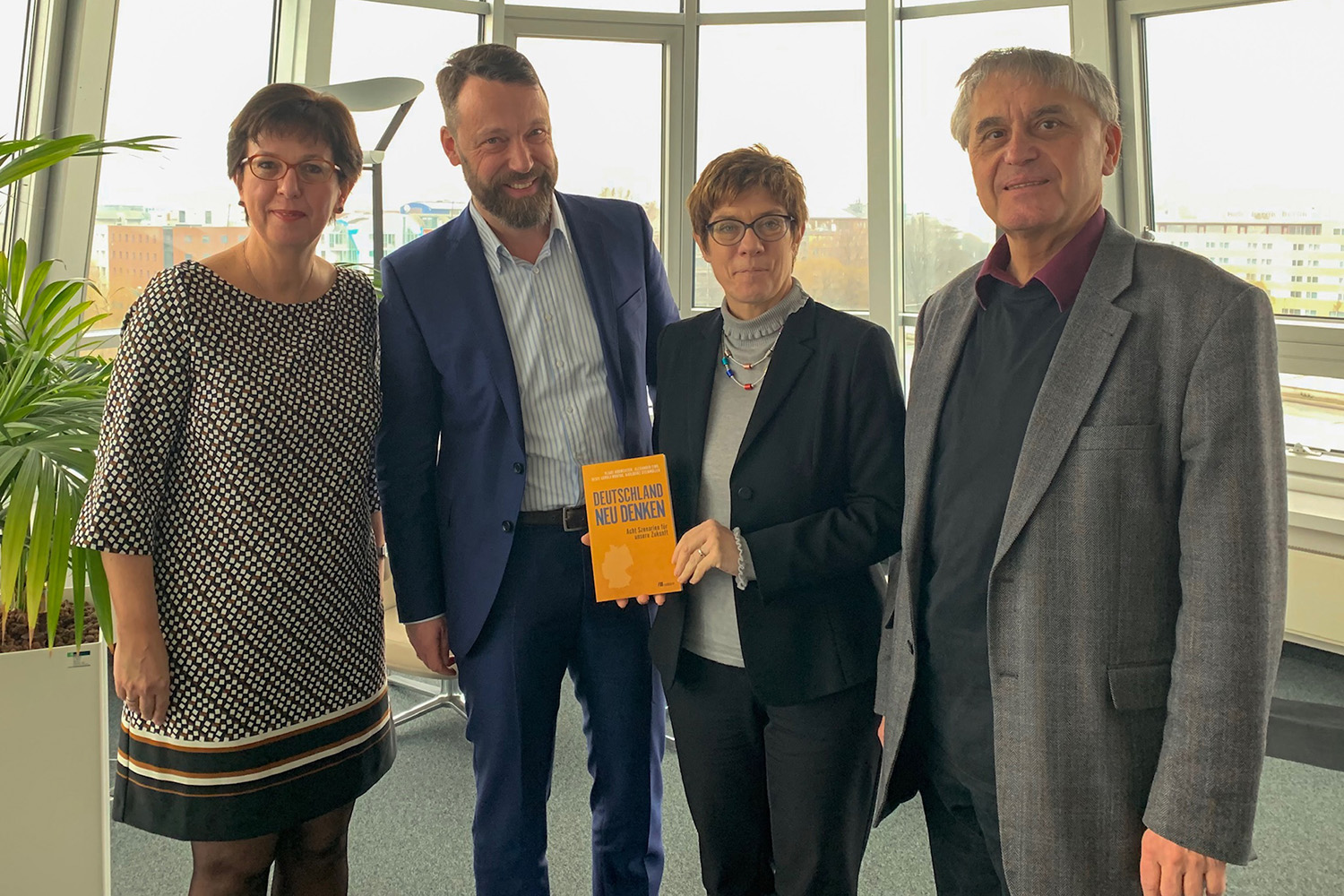
2018: ScMI contributes to Germany 2030: With methodological support from ScMI AG, the open-source project "Germany 2030: A Map of the Future" developed eight scenarios. They were assessed and interpreted through a series of online dialogues. The work led to a memorandum ahead of Germany's federal election and the book "Deutschland neu denken" ("Rethinking Germany"), published by oekom. The broader aim was to make open-ended futures thinking a stronger part of politics and society.
Szenario-Management und Strategic Foresight – 2019 bis heute
2019
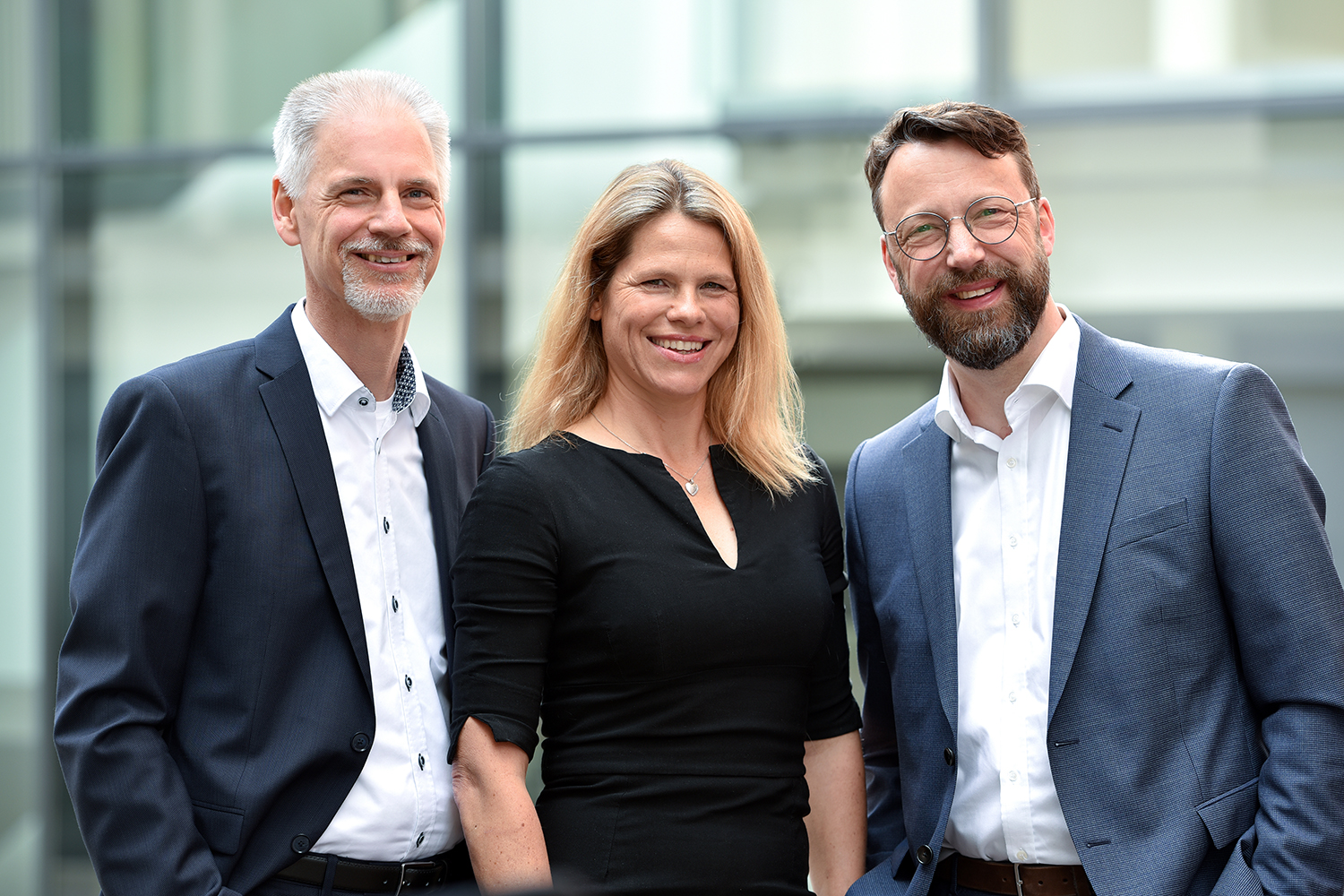
2019: New leadership team at ScMI AG: After Dr. Andreas Siebe left the Management Board at his own request, Dr. Alexander Fink became its sole member. Jens-Peter Kuhle and Hanna Jürgensmeier joined him in the new leadership team as Prokuristen, senior authorized signatories under German commercial law.
2020
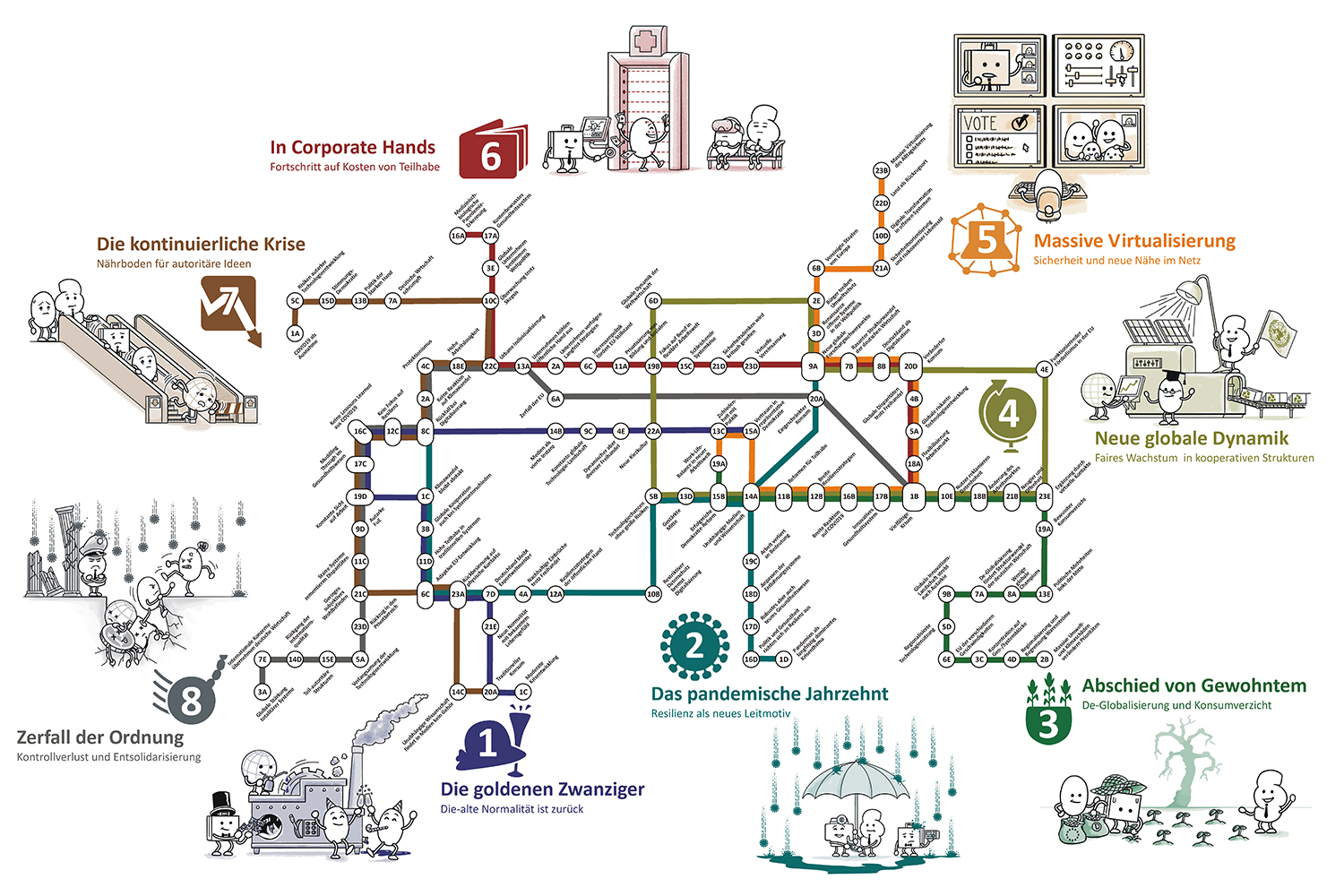
2020: Post-COVID scenarios: Shortly after the outbreak of the COVID-19 pandemic, ScMI AG launched an open scenario process to explore how business and society might develop after the pandemic. More than 80 experts took part in four online workshops. The eight scenarios were then assessed and used in numerous discussions.
2020
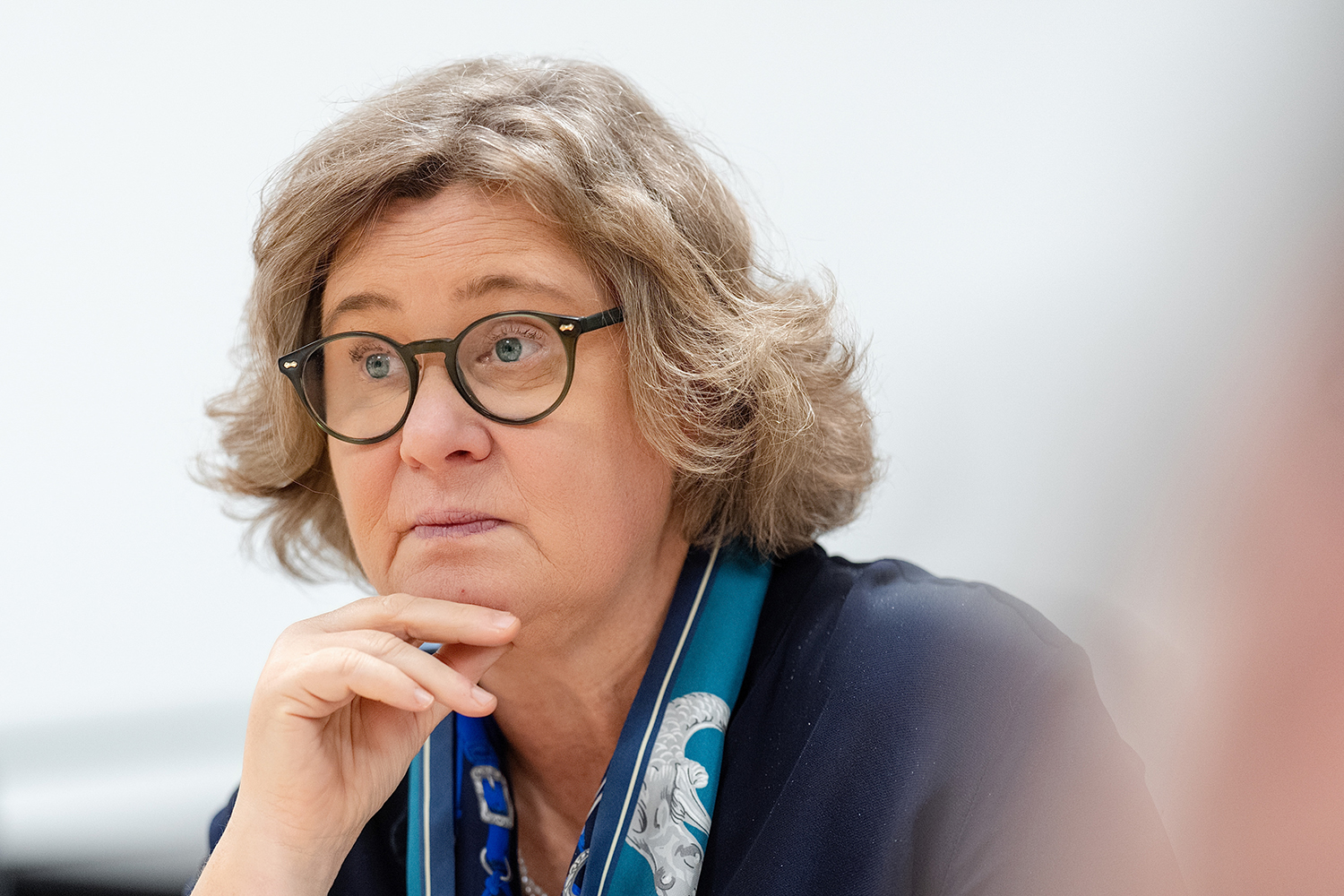
2020: Sabine Rittmeyer becomes Chair of the Supervisory Board: After 14 years on ScMI AG's Supervisory Board, including 11 years as Chair, Dr. Ralf Becker did not stand for re-election at the Annual General Meeting. Sabine Rittmeyer succeeded him. She was Head of Marketing and a member of the management team at POCO, a German home furnishings retailer.
2021
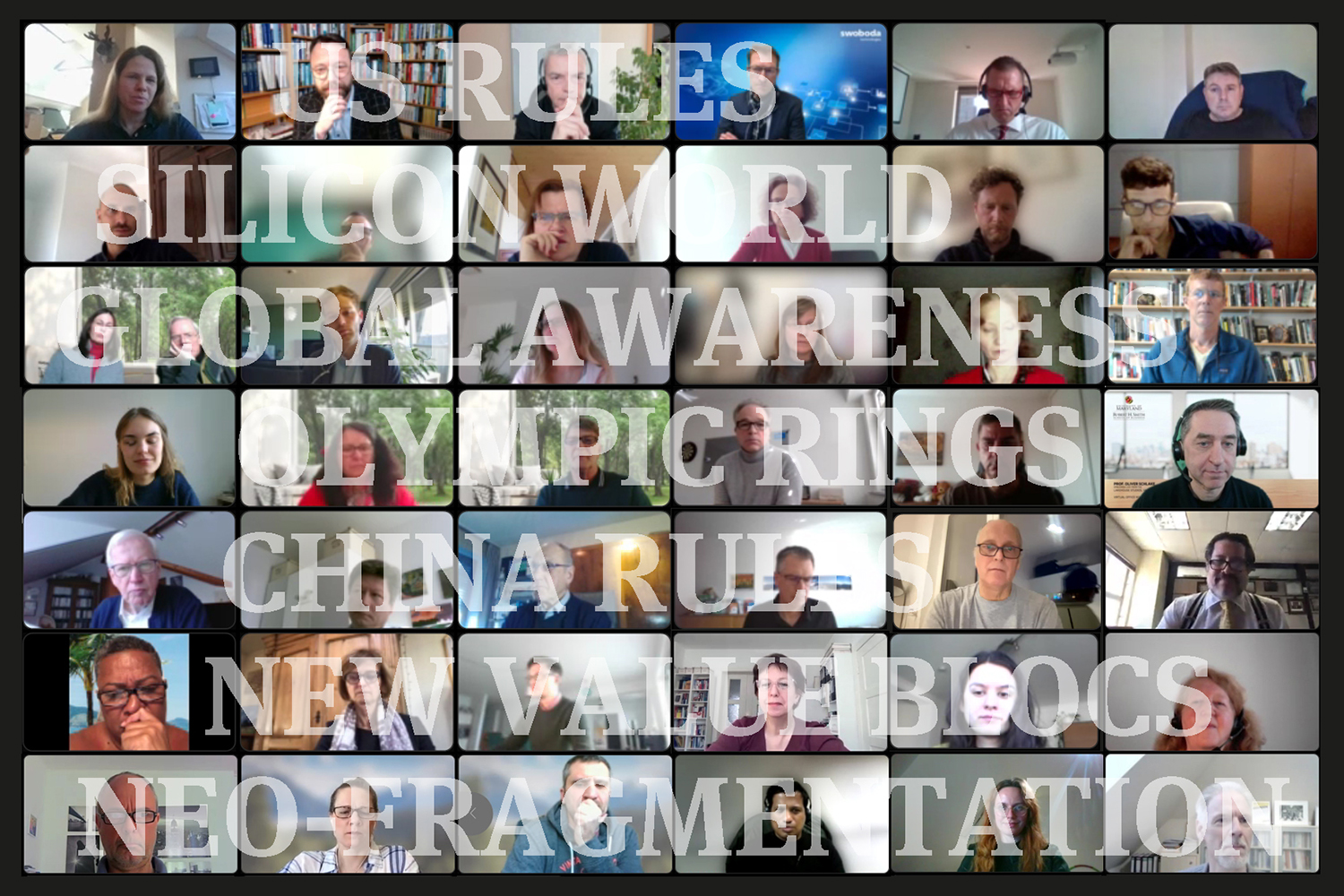
2021: New Global Scenarios: Growing geopolitical tensions prompted ScMI AG to launch an international scenario process on the future global order. The result was eight "New Global Scenarios", which were assessed by more than 200 experts from over 65 countries. After Russia's invasion of Ukraine, the scenarios were stress-tested to examine what the war might mean for the long-term futures they described.
2022
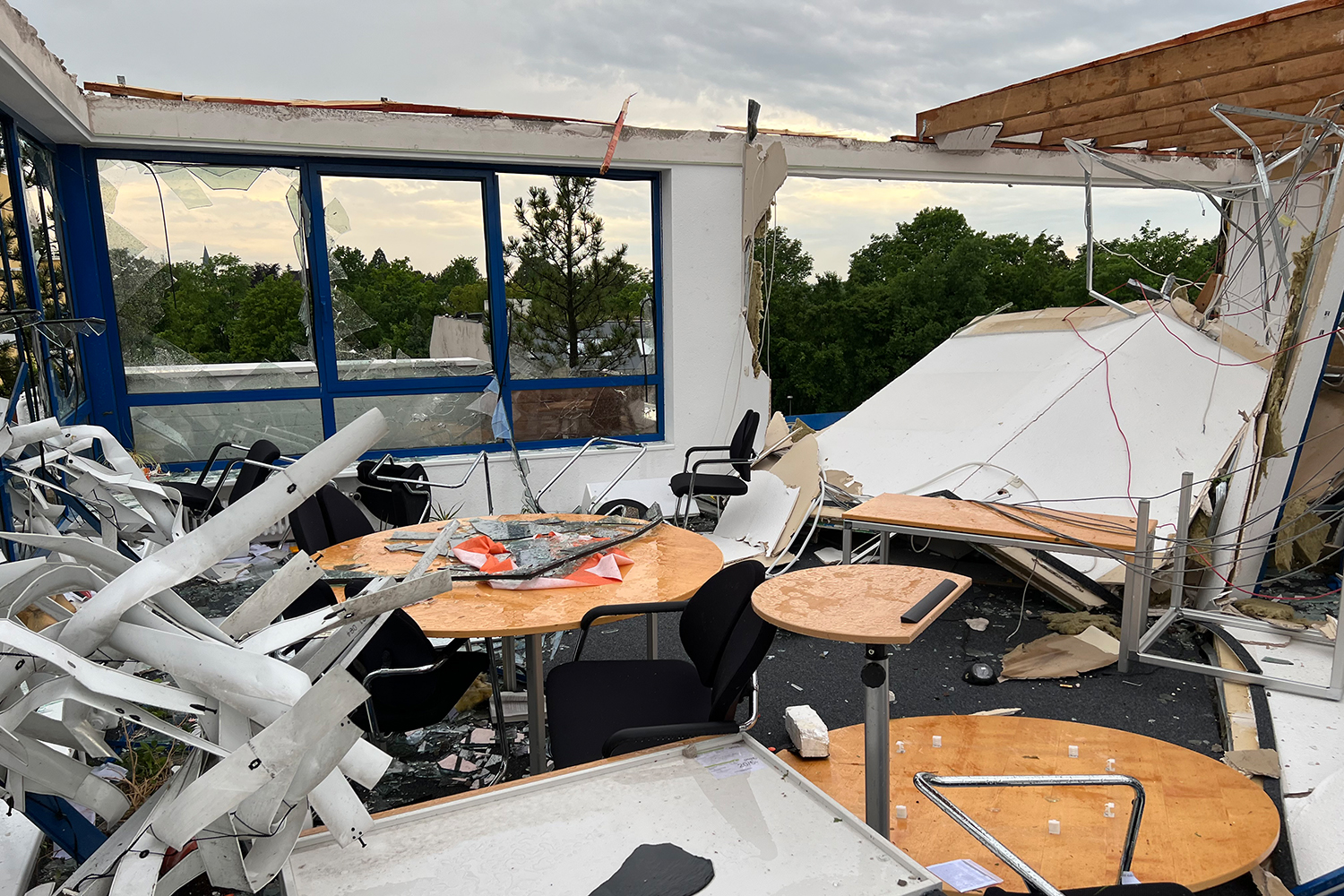
2022: Tornado devastates ScMI's offices: On May 20, 2022, a tornado swept through Paderborn and severely damaged ScMI AG's long-standing offices on Klingenderstraße. The premises could no longer be used.
2023
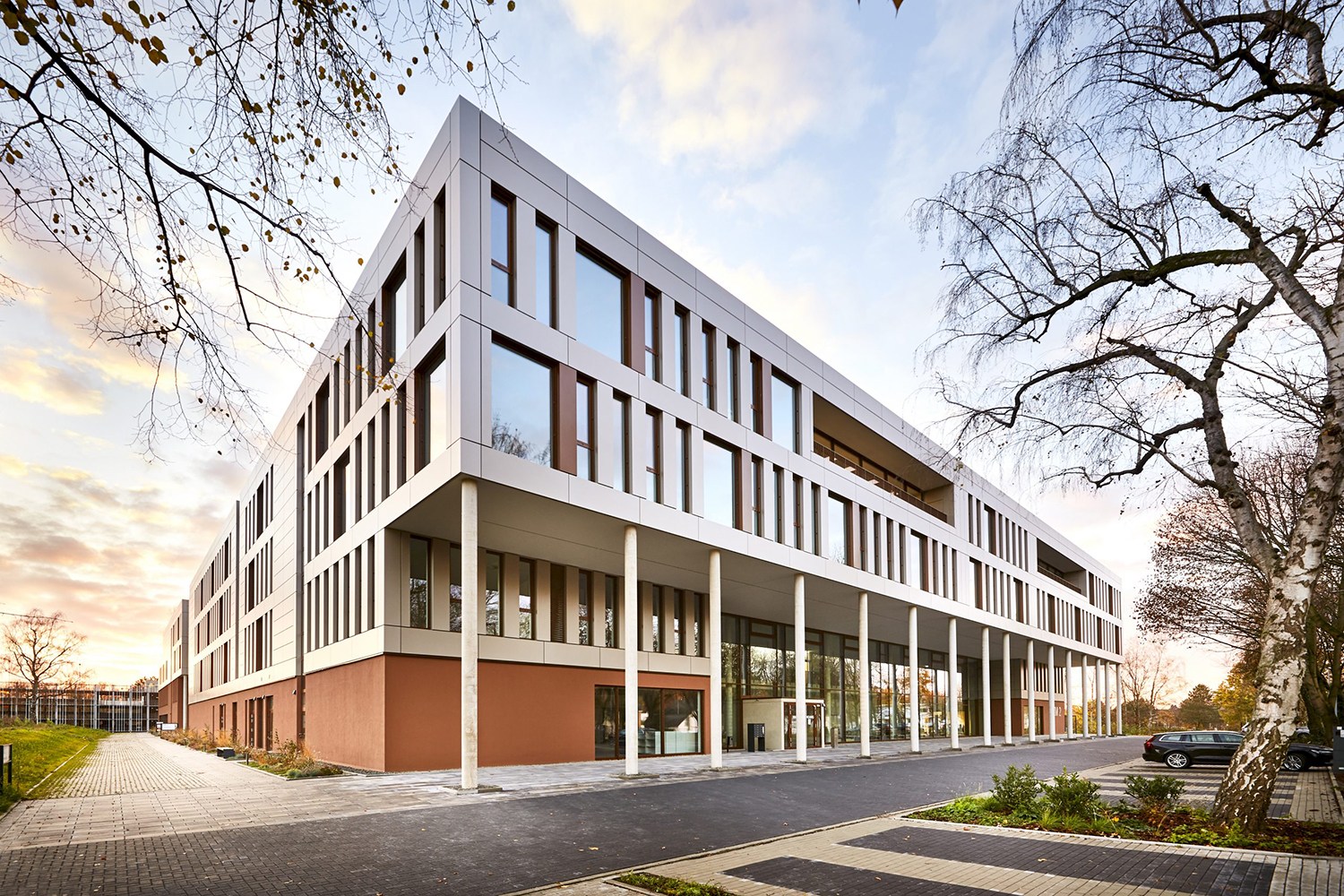
2023: ScMI moves to Zukunftsmeile 2: After more than two decades on Klingenderstraße, ScMI AG moved to new offices at Zukunftsmeile 2, a research and innovation campus in Paderborn. Its location near the Heinz Nixdorf Institute and the Heinz Nixdorf MuseumsForum brought ScMI back to the area where Scenario Management began. The new offices offer flexible space for project work, workshops and events. They also provide a new base for ScMI's collaborative work on the future.
2023
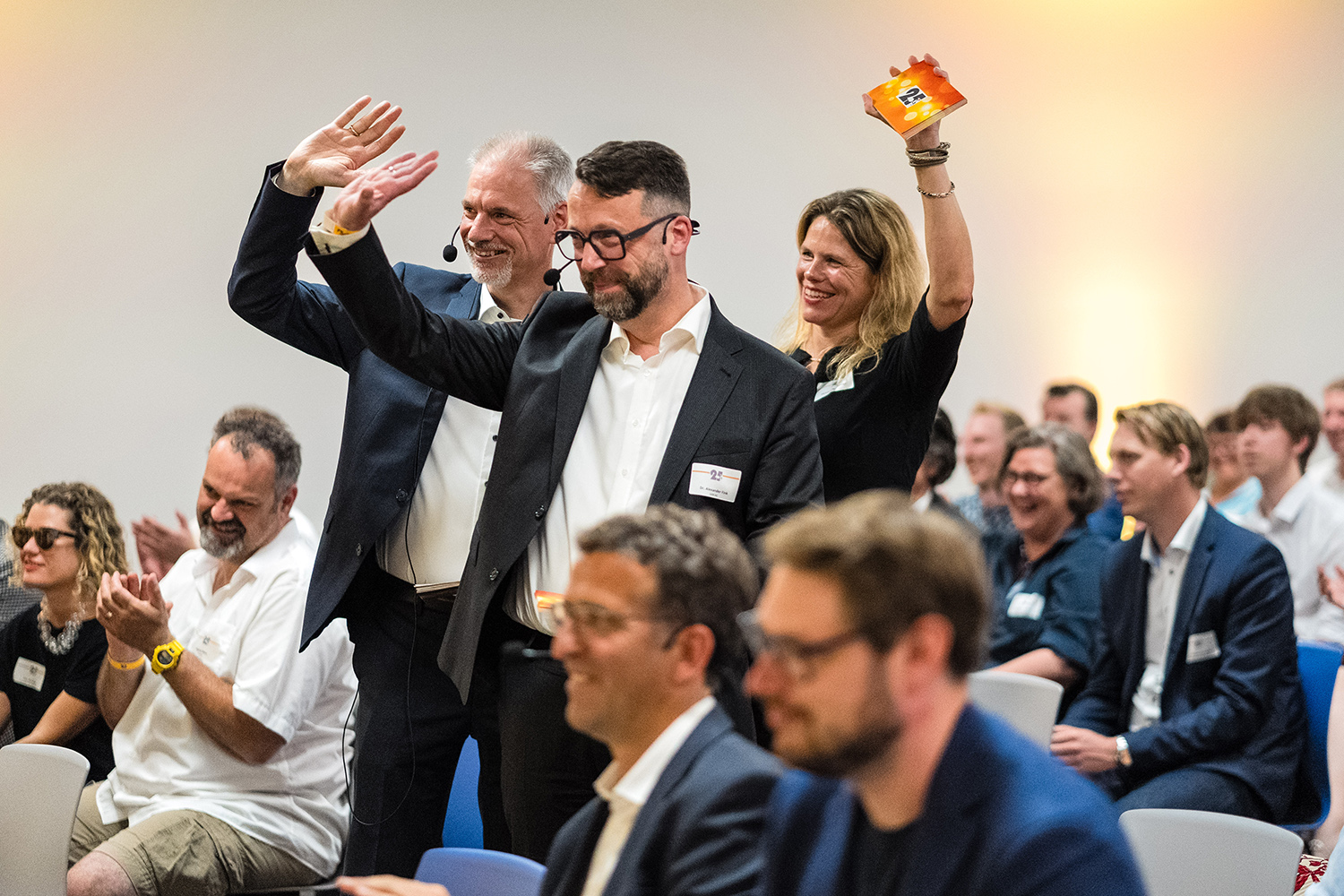
2023: Anniversary celebration "25 Years of ScMI AG, 30 Years of Scenario Management": Thirty years after the first work on Scenario Management and 25 years after ScMI AG was founded, we looked back on its development with clients, partners and former colleagues. A commemorative chronicle and exhibition traced the main milestones. The double anniversary was celebrated with a formal event and an evening above the rooftops of Paderborn.
2024
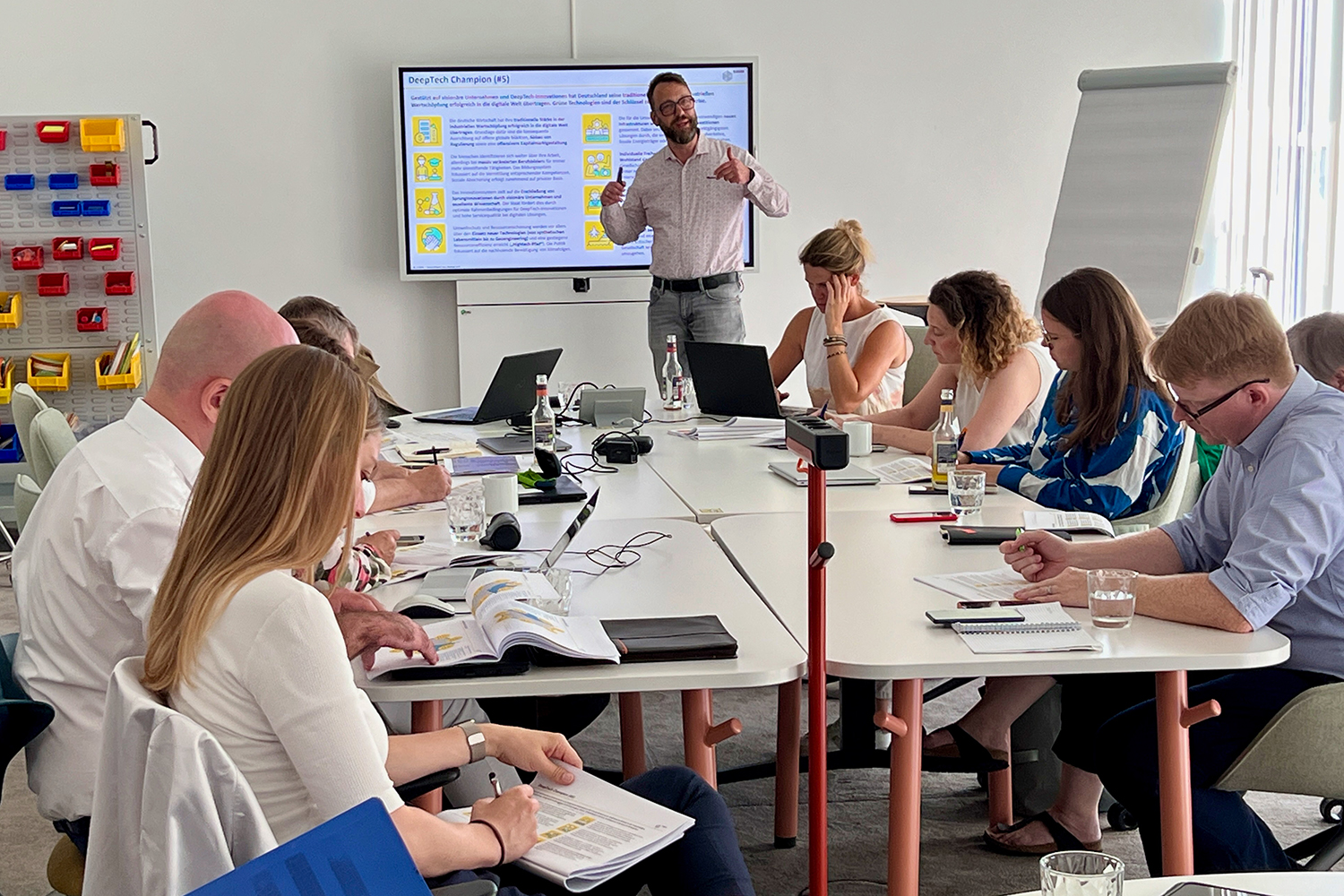
2024: New Horizons 2045: Together with the D2030 initiative, we launched another open scenario process on long-term questions facing Germany's economy and society. The process produced seven target scenarios, each describing a desirable future for Germany. They are intended to stimulate public debate about the country's future.
2024

2024: Scenario Management reaches every continent: The first international projects of the 1990s had grown into a global network of workshops, training and software use. With Scenario-Manager now used by the Office of the Australian Prime Minister, Scenario Management was present on every continent.
2024
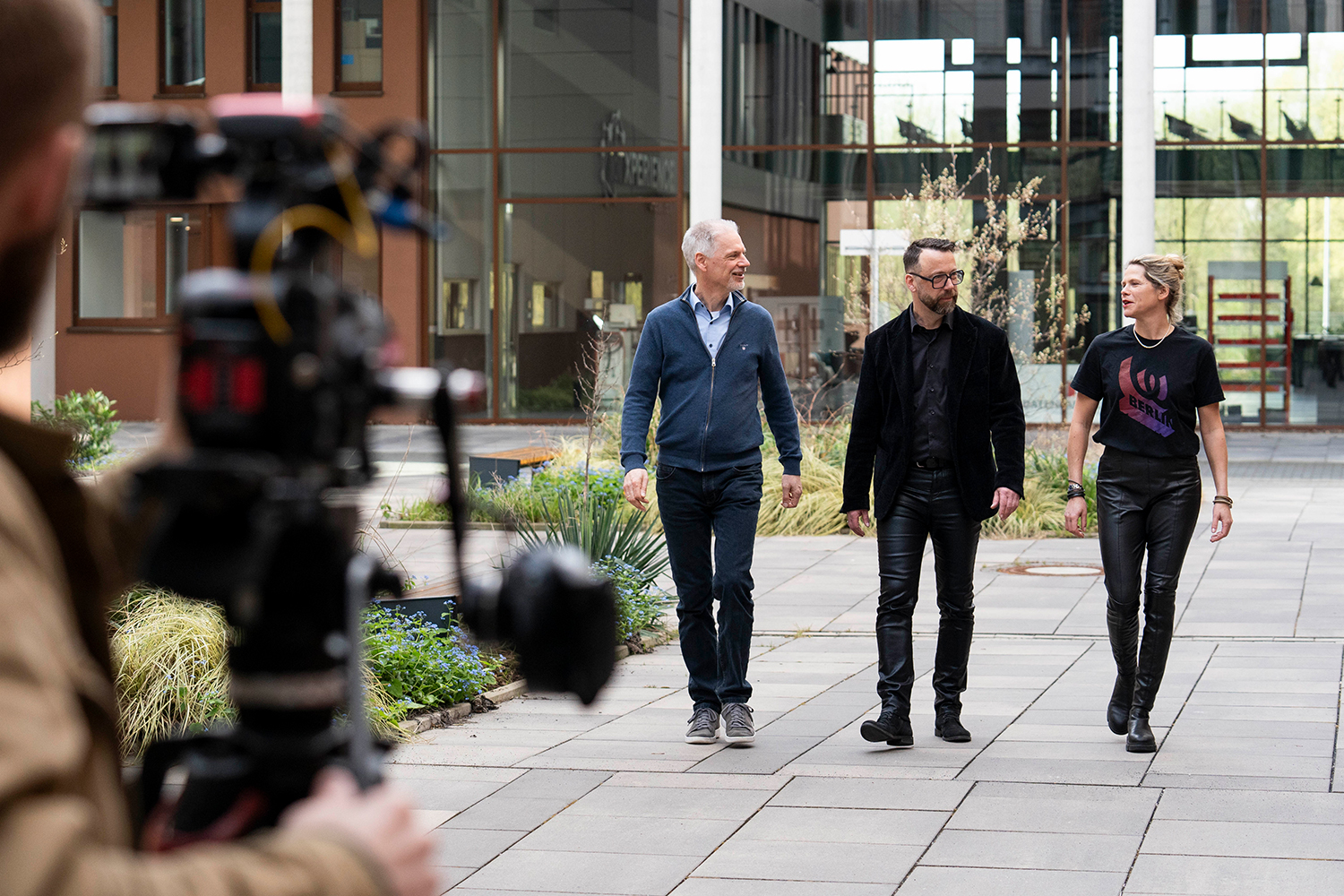
2024: ScMI becomes a brand ambassador for Paderborn: ScMI joined Paderborn's brand ambassador initiative, which promotes the city beyond the region. The role reflects our close ties to our home city. It also helps make Paderborn better known as an innovative place for business and research and as a good place to live.
2025
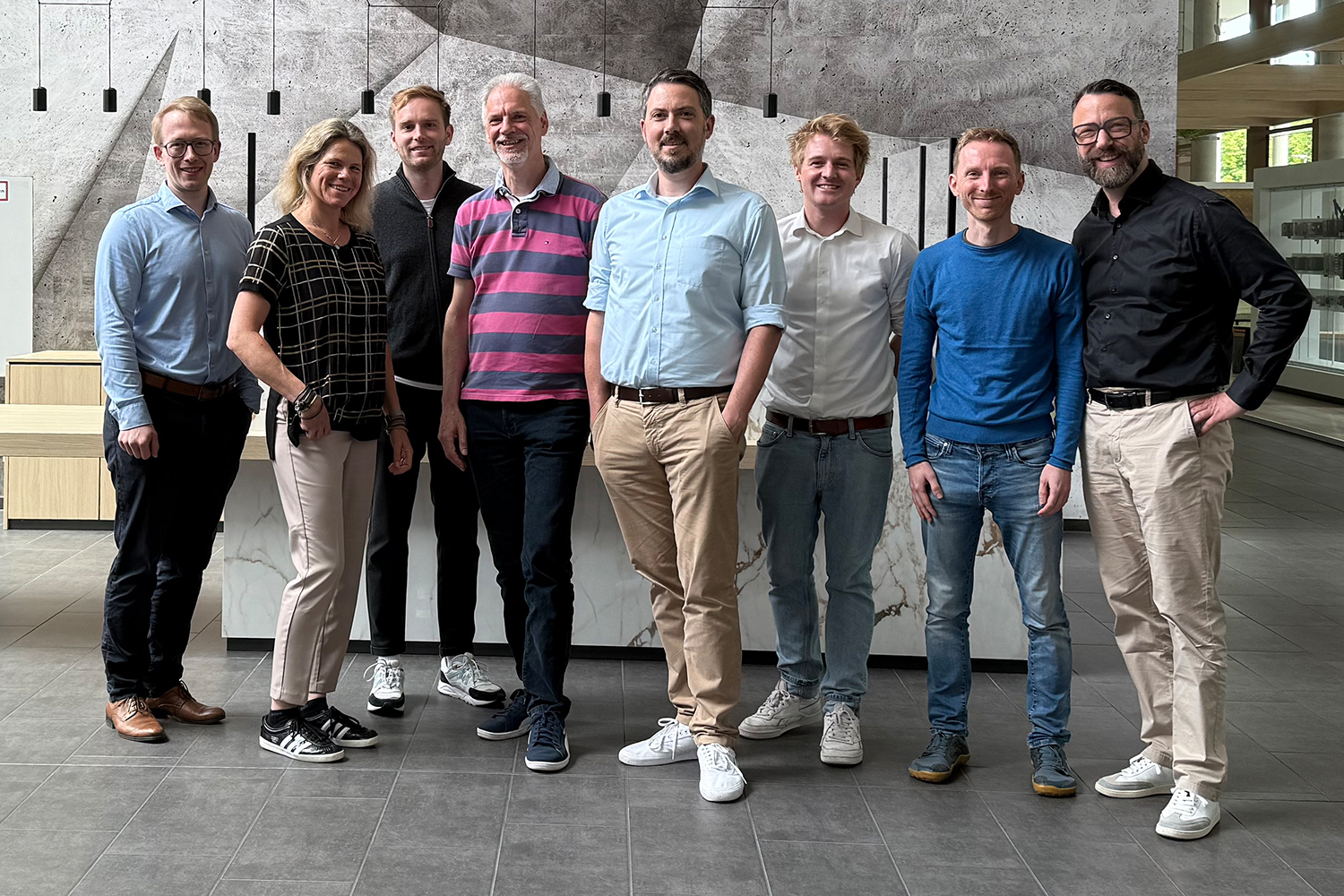
2025: AISceMa research project: AISceMa was launched as a research project combining artificial intelligence and Scenario Management. It examines how generative AI can support the development, analysis and use of scenarios, and how these tools can complement human foresight capabilities. For ScMI, the project continues a tradition that goes back to the beginnings of Scenario Management, when methodological development and software support were already closely linked.
Jahre Erfahrung in Szenario Management
Szenarioprozesse in vielen Branchen & Themenfelder
Top-100 Unternehmen in Deutschland unterstützt
Bücher, Fachartikel und Vorträge
Länder, in denen Workshops durchgeführt wurden
No Results Found.
The page you requested could not be found. Try refining your search, or use the navigation above to locate the post.