Cities & Regions
Cities and regions are where social, economic and political change becomes tangible. Global developments meet local realities here: urbanisation, demographic shifts, the effects of climate change, economic disruption and new forms of mobility and work are changing local living conditions. Cities and regions are therefore not merely administrative units or business locations, but central arenas for shaping future viability, social participation and economic development. At the same time, regional disparities are increasing - with far-reaching consequences for cohesion, competitiveness and political stability.
Spatial development as a key to society's and the economy's future
Cities and regions bring together central questions about the future. Housing, infrastructure, mobility, energy supply, labour markets and social services are organised spatially and differ greatly in their performance. Urbanisation intensifies these dynamics by concentrating economic activity, knowledge and population in particular places while other regions lose attractiveness and room for manoeuvre.
For companies, cities and regions increasingly determine the availability of skilled people, innovation capacity and location attractiveness. For policymakers and public administrations, they are central levels at which transformation is implemented - from climate adaptation and digitalisation to social integration. Uneven regional development can intensify social tensions and contribute to political polarisation.
Current debates: growth, public services and regional resilience
Current debate revolves around acute challenges in both growing and shrinking areas. In urban centres, housing shortages, congestion, social segregation and climate adaptation are key concerns. Rural and structurally weaker regions struggle to maintain essential public services in the face of population loss, skills shortages and limited investment capacity.
At the same time, concepts such as smart cities, digital public administration, regional innovation ecosystems and new forms of inter-municipal cooperation are gaining importance. These approaches are often considered in isolation or aligned with short-term funding programmes, however, without systematically taking the long-term development paths of cities and regions into account.
Long-term spatial structures, imbalances and uncertainties
Over the long term, it remains open how the interaction of urbanisation, demographic change and technological development will affect spatial structures. Will metropolitan regions continue to gain importance, or will new, more decentralised models of work and life emerge? Which regions will benefit from transformation - and which will be left behind permanently?
Further key uncertainties concern the financing of public infrastructure, cities' capacity to adapt to climate risks and the ability of regional actors to deal with profound structural change. Different development paths for cities and regions have direct consequences for social justice, economic performance and democratic participation. Scenarios help analyse these spatial images of the future systematically, reveal regional trade-offs and develop strategies that remain viable under very different conditions.

Felix Clasbrummel
Consultant
clasbrummel@scmi.de

Julia Wurm
Consultant
wurm@scmi.de
News and Projects

Cities & Regions
Working Together for Good Jobs in the Lahn-Dill District
Zum Projekt
Cities & Regions
The Future of Our Town and City Centres
Zum Projekt
Cities & Regions
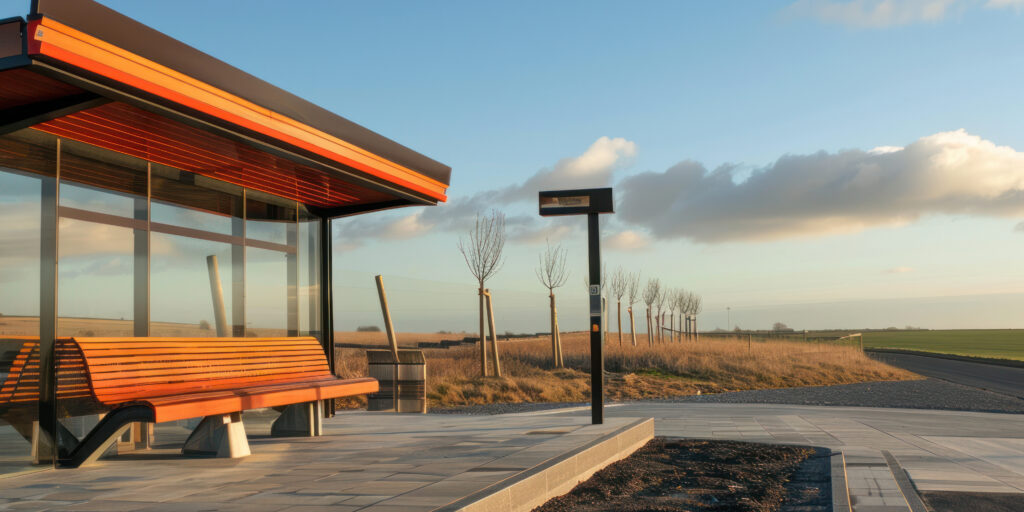
The Future of Mobility in Rural Areas 2040
Zum Projekt
Cities & Regions
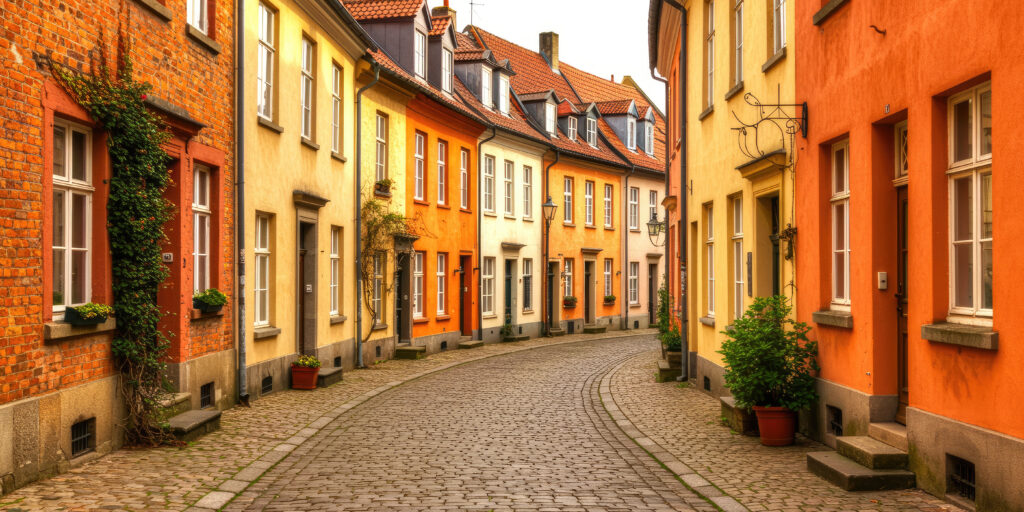
Scenario Management for Cities and Municipalities
Zum Projekt
Cities & Regions
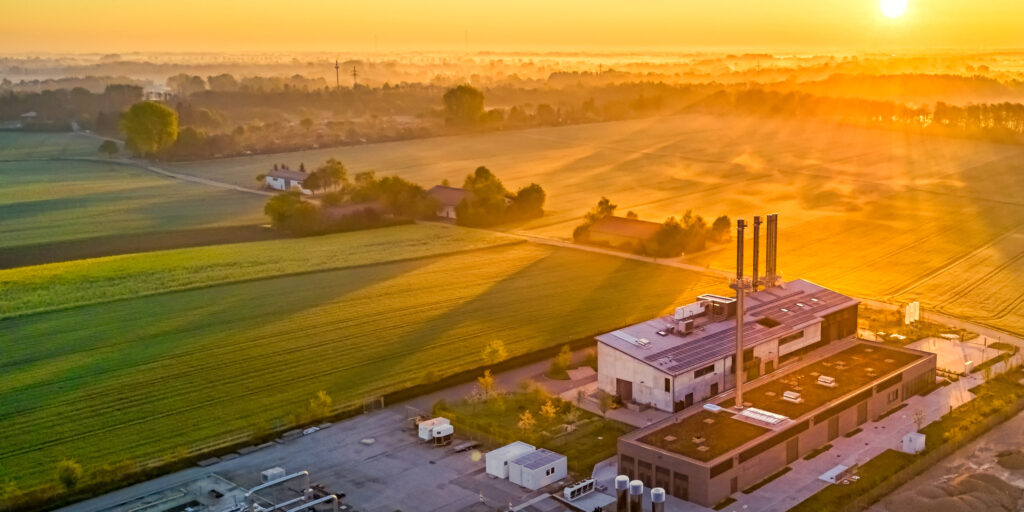
The Future of Rural Areas in Germany
Zum Projekt
Cities & Regions
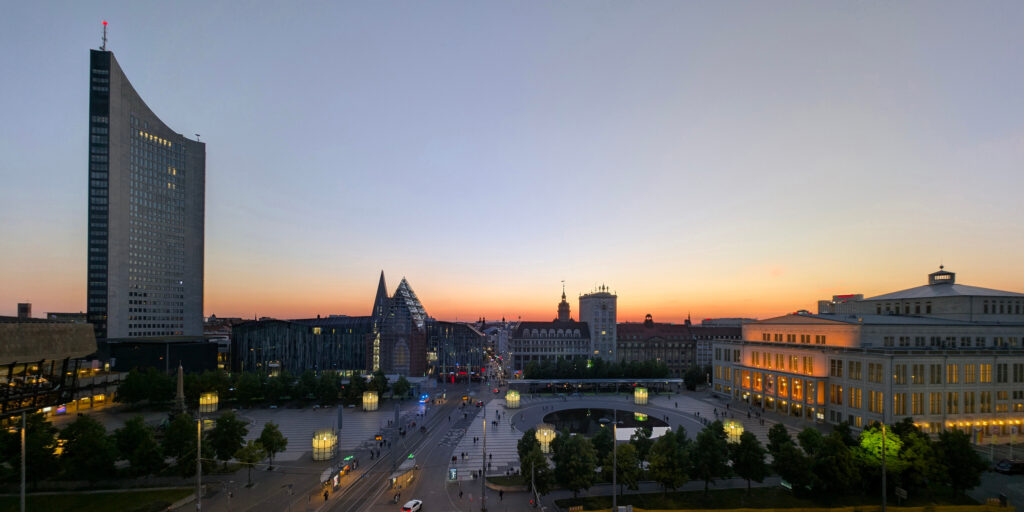
Future-Ready Mobility for a Growing City
Zum Projekt

Cities & Regions, Sustainability
The Future-Ready City
Zum Projekt

Cities & Regions
Mobility Transformation Path
Zum Projekt
Professional Publications