The World of Work & Skills
The world of work is undergoing profound change. Technological progress, demographic change, new values and changing organisational models are reshaping how work is designed and which capabilities are needed. Skilled people are becoming a strategic bottleneck in many areas, while roles, career paths and expectations of work are changing fundamentally. The world of work and skills are therefore not isolated HR issues, but central questions about the future for companies, public institutions and society as a whole.
Work as a central factor in competitiveness and social stability
A company's capacity to innovate and compete increasingly depends on the availability and qualifications of skilled people. Production processes, services and value-creation models can be developed only when sufficient numbers of appropriately qualified people are available. Labour markets are also a central source of social stability: employment secures income, social participation and acceptance of transformation processes.
Demographic change is making this challenge considerably more acute. In many regions, the working population is shrinking while demand for qualified staff is rising. Expectations of working conditions, leadership, purpose and work-life balance are also changing. The world of work and skills therefore affect economic performance, social cohesion and political capacity to act in equal measure.
Current debates: skills shortages, flexibility and new models of work
Current discussion is strongly shaped by skills shortages. Companies, public administrations and other organisations are looking for ways to attract, retain and develop people. Key topics include immigration, education and continuing professional development, bringing previously underrepresented groups into the workforce, and the attractiveness of working conditions.
At the same time, new models of work are gaining importance. Remote work, hybrid organisations, project-based work and platform work are changing traditional employment structures. The use of digital technologies and AI in the workplace is also being debated intensively, often with a focus on efficiency gains or the substitution of tasks. Attention tends to centre on short-term adjustments, while long-term structural change is considered less systematically.
Long-term employment models, shifts in skills and uncertainties
Over the long term, it remains open how paid work as a whole will develop. It is unclear which tasks will be replaced, complemented or newly created by automation, how stable traditional employment relationships will remain, and what role self-employment, platform work and hybrid forms of employment will play. For companies, the question is how to secure capabilities over the long term and build organisational learning capacity under these conditions.
Further key uncertainties concern social acceptance and institutional frameworks. How will social-security systems, employment law and co-determination change? What will future generations expect from work, careers and the way they live? Scenarios make it possible to think through different images of the future of work systematically, reveal interactions between technology, demography and culture, and develop robust strategies for securing skills and shaping work.
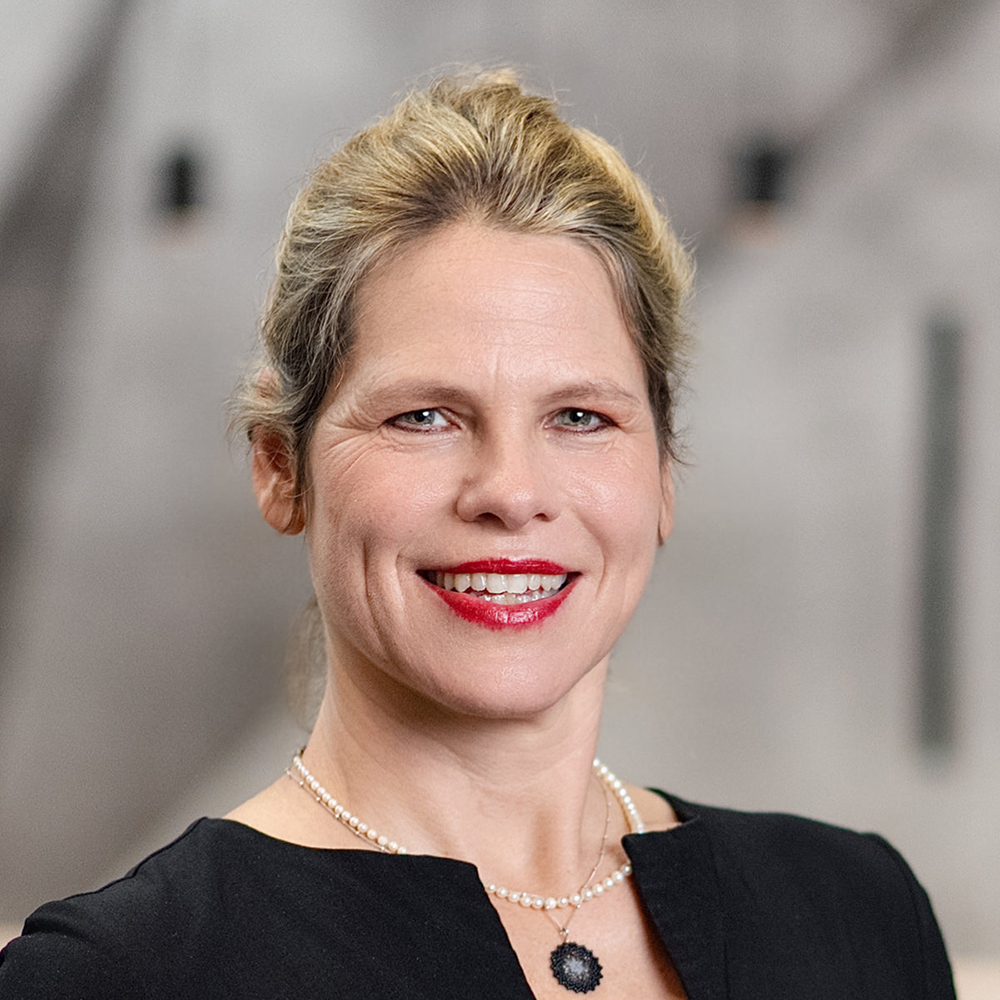
Hanna Rammig
Prokurist
rammig@scmi.de
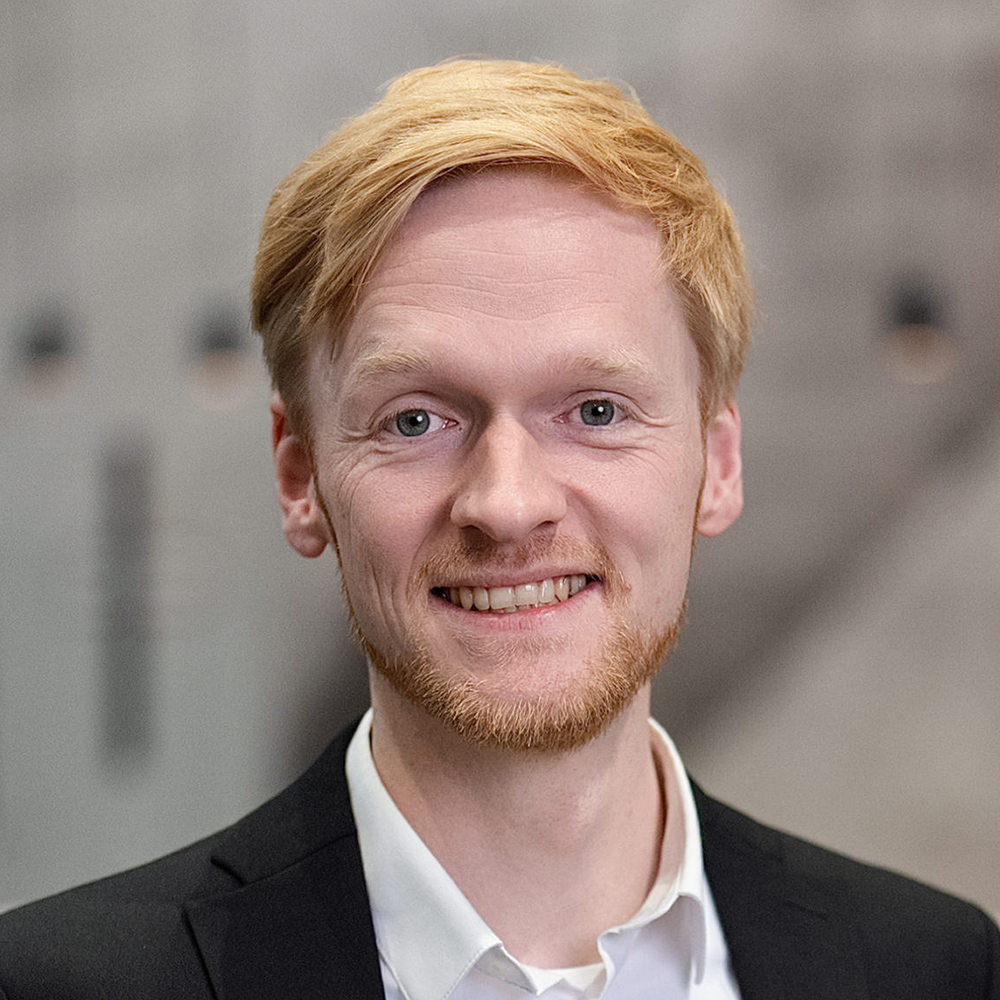
Felix Clasbrummel
Consultant
clasbrummel@scmi.de

Julia Wurm
Consultant
wurm@scmi.de
News and Projects

nnovation, Education & Research, The World of Work & Skills
Future Report HR Tech
Zum Projekt

AI & Digital Transformation, The World of Work & Skills
AI-Based Work Environments 2030
Zum Projekt

The World of Work & Skills
Work 4.0
Zum Projekt

The World of Work & Skills
Contours of the World of Work 2030 – Future Scenarios for Regional Labour Markets
Zum Projekt
Professional Publications